There is no bottom to this city. Dig anywhere in the centre and you hit an older Rome — a temple under a church, a stadium under a piazza, a road under the road you are standing on.
The city built on top of itself · 41.90° N · 12.50° E
Rome is the only capital in the world that is also an archaeological dig you are allowed to live inside. It does not curate itself for you. A two-thousand-year-old column holds up a Renaissance palazzo that has a scooter repair shop on the ground floor; a bar sells you an espresso next to a wall Julius Caesar might have leaned on. The layers are not a museum exhibit. They are the paving, the walls, the shortcuts, the parking. This is what people mean when they call Rome the open-air museum, and it is why the city is best understood not as a checklist of ruins but as one continuous, overlapping, still-inhabited surface you walk across.
This is not a countdown of the marvels you must photograph before you leave. You already know about the Colosseum and the Sistine Chapel, and you will go, and they will be staggering and rammed with tour groups in roughly equal measure. What follows is the rest of the information — where to base yourself so the historic centre is your neighbourhood rather than a day-trip, when to come so the heat and the crowds are not both on top of you at once, and how to eat, move and slow down so that the city stops performing and simply gets on with being itself.
Rome rewards the person who is content to be a little lost, to eat lunch at three, to sit in a piazza with no plan and let the evening arrange itself. Give it a frantic thirty-six hours with a ruin every ninety minutes and it will exhaust you. Give it a week of aimless mornings and long dinners and it becomes the most alive city in Europe.
The caseWhy Rome is still the eternal one
People who find Rome overwhelming are usually trying to see all of it, which is like trying to read a library. Taken at street level, in fragments, it is one of the great pleasures on earth. In a single unhurried day you can stand inside the Pantheon, a temple that has kept its roof for nineteen centuries and still opens to the sky through a single perfect hole; eat a plate of cacio e pepe that is nothing but pasta, pecorino and pepper and yet somehow the best thing you have eaten all year; drink a Negroni made by someone whose family has run the same bar since before you were born; and end the night sitting on the steps of a fountain lit gold, doing absolutely nothing, feeling like the luckiest person alive.
What sets Rome apart from other beautiful capitals is that it refuses to become a theme park even while behaving like one. Real Romans still live in the centro storico, still hang washing above the alleys where the tour groups shuffle, still argue about football and park badly and take their coffee standing at the counter. The ancient and the domestic are not separated. The past here is not roped off; it is the wall your neighbour's cat sleeps on. You do not need to spend a fortune to feel it. You need to lower your ambitions and raise your attention.
The calendarWhen to go
The honest answer is spring and autumn, and the honest warning is that Rome's shoulder seasons have been quietly getting hotter. April, May and early June bring long golden light, wisteria over the alley walls, and evenings warm enough for dinner outside without the flattening heat of high summer. Late September and October are arguably better still: the fierce edge comes off the sun, the light turns amber against the travertine, the new wine and the artichokes arrive on the menus, and the biggest crowds have gone home.
Avoid July and August if you possibly can. Rome in deep summer is genuinely punishing — high thirties, humid, the stone radiating heat back at you well after dark — and, worse, in August much of the city closes. Around Ferragosto, the mid-month holiday, beloved trattorie shutter for weeks with a handwritten chiuso per ferie taped to the door, and locals decamp to the coast, leaving a strangely hollow, sun-blasted centre. Winter is the underrated season: crisp bright days, queue-free basilicas, artichokes at their peak, and the low sun doing extraordinary things to the ruins. Come in the shoulders, start early, and treat the middle of any warm day as a reason to be indoors or at lunch.
LogisticsGetting around
Walk. It is not advice, it is the whole method. The historic core is astonishingly compact — you can cross from the Pantheon to Trastevere to the Colosseum on foot in well under an hour — and the sights that matter are strung along streets that are themselves the attraction. The centro storico is also largely a maze of one-way alleys and limited-traffic zones where a car is a liability, so put the cobbles first and treat everything else as backup. Wear real shoes; the sanpietrini, Rome's black basalt cobblestones, destroy anyone in flimsy soles.
The metro is only two-and-a-bit lines and, because every dig hits ruins, it barely serves the historic centre — useful mainly for the Vatican, Termini and a couple of long hauls. The workhorse is actually the bus and tram network, chaotic but cheap; buy tickets at any tabacchi (the tobacconist with the blue T sign) or on your phone, and validate on board. From Fiumicino airport, the Leonardo Express train runs direct to Termini in about thirty-two minutes and is almost always the smart move over a taxi in traffic; the fixed official taxi fare from Fiumicino to the centre is a set price, so agree it up front and refuse anything freelance. Ciampino, the budget airport, is best reached by the dedicated shuttle bus.
The tableHow Romans actually eat
Forget the fantasy of endless variety; Roman cooking is fiercely, gloriously narrow, and that is the point. The canon is short and you should eat your way straight through it: cacio e pepe, carbonara (no cream, ever — egg, guanciale, pecorino, pepper), amatriciana with its tomato and cured pork cheek, and gricia, the white ancestor of amatriciana. Add the fried starters — supplì, the rice-and-mozzarella croquette; fried artichokes in the Jewish quarter in season; a slab of pizza al taglio sold by weight and eaten walking. Order these where they were born and you will rarely have a bad meal.
Learn the rhythm and the vocabulary. Coffee is taken standing at the bar, quickly and cheaply; a cappuccino after eleven in the morning is a tourist's tell but nobody will actually stop you. Lunch is real and unhurried, often the best-value meal at a trattoria's fixed midday price. The pre-dinner aperitivo — a spritz or a glass of Frascati with a few snacks, usually from six — is the civilised hinge of the Roman evening, and dinner proper rarely gets going before eight-thirty. Book the places you care about, especially in Trastevere and Testaccio at the weekend. And keep it simple: a good Roman meal is three cheap ingredients cooked by someone who has made it ten thousand times, not a tower of ambition on a square plate.
The mapNeighbourhoods to know
Rome is a set of rioni, and choosing the right one is the difference between a trip and a stay. The Centro Storico — the tangle around the Pantheon, Piazza Navona and Campo de' Fiori — is the postcard, endlessly walkable and central to everything, though you pay for it in price and in evening foot traffic. Trastevere, across the river, is the ochre-walled village of ivy, washing lines and cobbled squares that everyone falls for; wildly atmospheric, if increasingly a nightlife stage on weekends, so sleep on a quiet lane.
Monti, tucked between the Colosseum and Termini, is the centre's coolest small quarter — Rome's old Suburra now full of vintage shops, wine bars and a proper neighbourhood piazza, and walkable to the Forum. Prati, the orderly grid beside the Vatican, is a different Rome entirely: elegant, calm, residential, with the city's best shopping street in Via Cola di Rienzo and easy Vatican access. And Testaccio, the old slaughterhouse district south of the centre, is where you go for the least touristy, most serious Roman food and a genuine working-class-turned-foodie soul. Pick the village that matches your temperament and let it shape where you sleep, which is the next thing we get to.
Field intelligencePractical intelligence
A handful of things that quietly improve every Roman day. Dress for the churches even in a heatwave — shoulders and knees covered gets you into St Peter's and the major basilicas; a scarf or light layer in the bag solves it. The drinking water is superb and free: Rome's nasoni, the little cast-iron street fountains running constantly, are safe, cold and everywhere, so carry a bottle and refill rather than buying. Cover the spout with your finger and water jets up from a hole on top for an easy drink.
Book the big-ticket sights ahead — the Colosseum and the Vatican Museums both sell timed-entry tickets online and the queues without one can eat a morning. Go at opening or in the last slot to dodge both crowds and heat. Tipping is not a system as it is in America; service is usually included, coperto (a small cover charge) is normal and legal, and rounding up a euro or two for a good meal is plenty. Watch your bag on crowded buses and around Termini and the main sights, where pickpockets work the crush. And download an offline map: the medieval street plan defeats every satnav, and getting cheerfully lost is only cheerful when you can eventually find the way back to dinner.
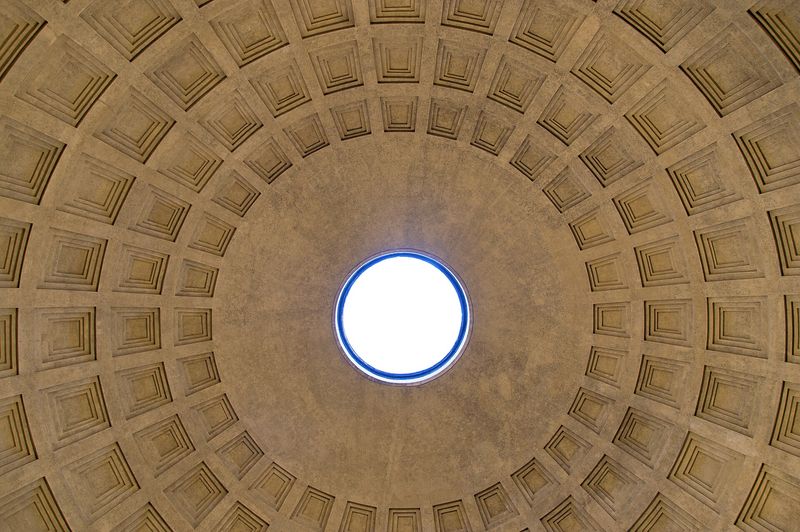
The best-preserved building of ancient Rome and still, after nineteen centuries, the most quietly overwhelming room in the city — a perfect concrete dome open to the sky through a single round oculus that tracks the sun across the marble.
Tip:Come right at opening or in the last half-hour before close; mid-morning it fills solid. Go back in rain to watch the water fall clean through the oculus.
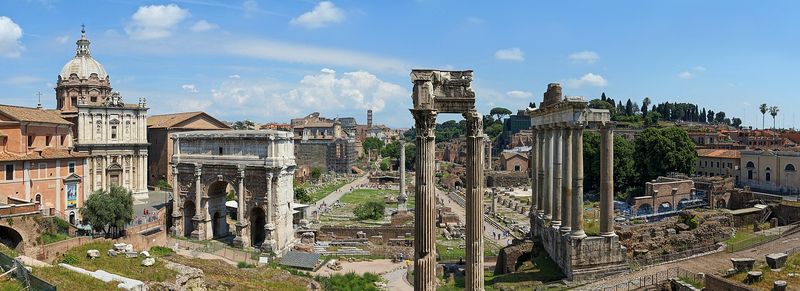
The wrecked civic heart of the empire, a field of broken columns and triumphal arches where the whole machinery of ancient Rome once ran. The Palatine hill above it is greener, quieter and gives the best overview of the Forum below.
Tip:Enter from the Palatine gate on Via di San Gregorio rather than the main Forum entrance — shorter queues and you descend into the Forum from above.
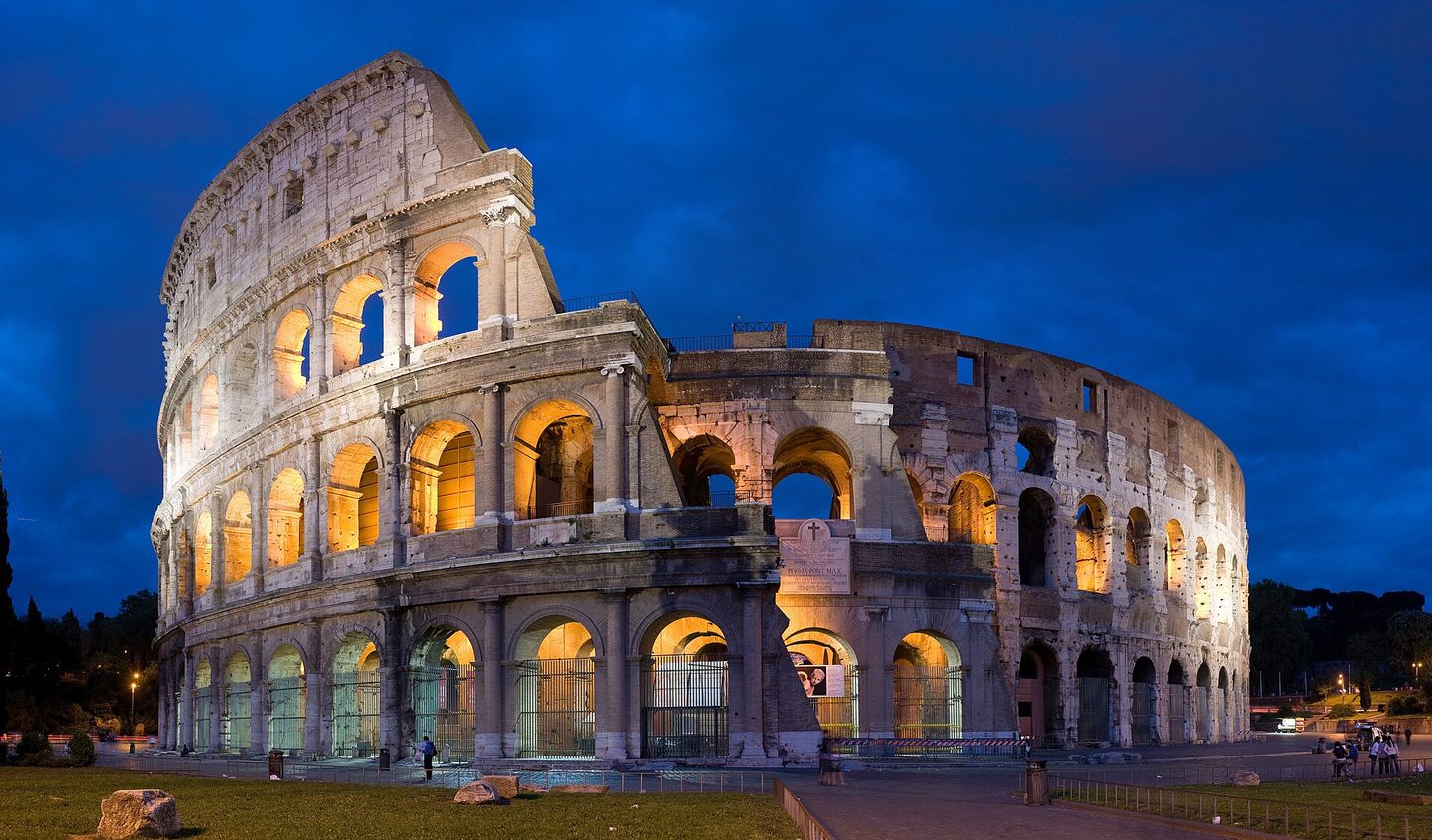
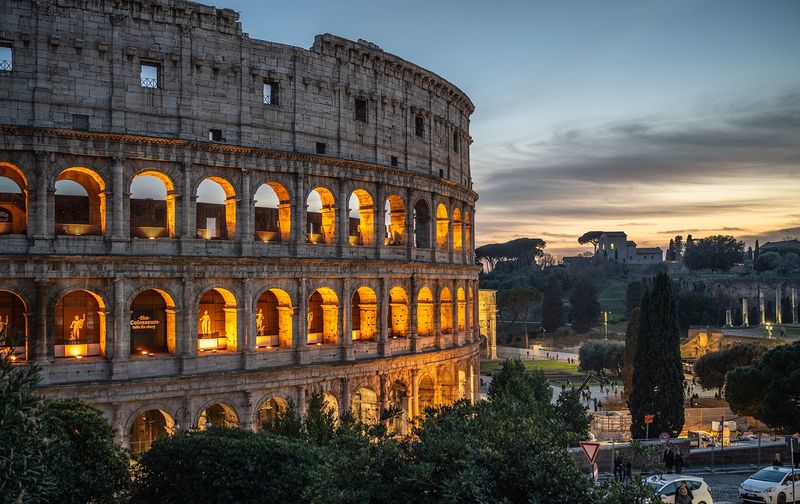
The arena needs no introduction, and no, it is not overrated up close — the sheer engineering of it lands even through the crowds. The underground and upper-tier tickets get you onto the arena floor and into the gladiator tunnels.
Tip:Book a timed slot online days ahead and take the first entry of the day; by ten the queue and the sun are both brutal.
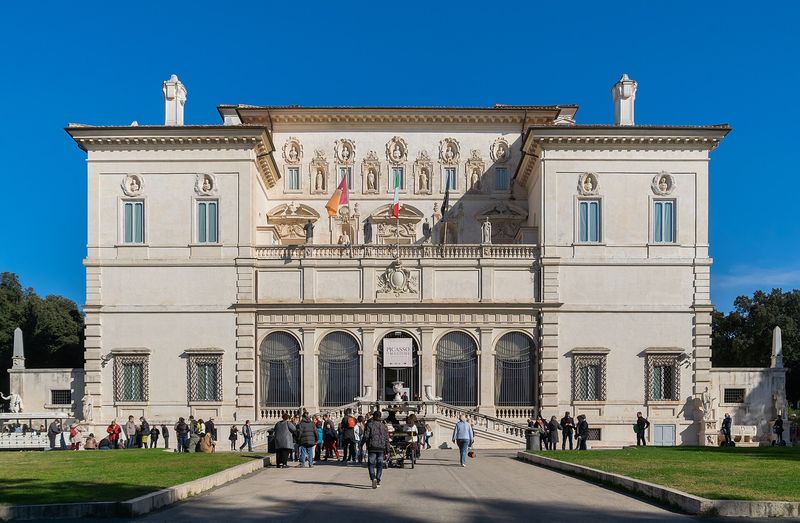
A jewel-box villa gallery holding Bernini's impossible marbles — Daphne turning to laurel under Apollo's hands, stone made to look like fingers pressing flesh — plus Caravaggios, in a garden park you can walk off lunch in.
Tip:Entry is by strict two-hour timed reservation and it sells out; book well ahead and go early, then picnic in the Villa Borghese gardens after.
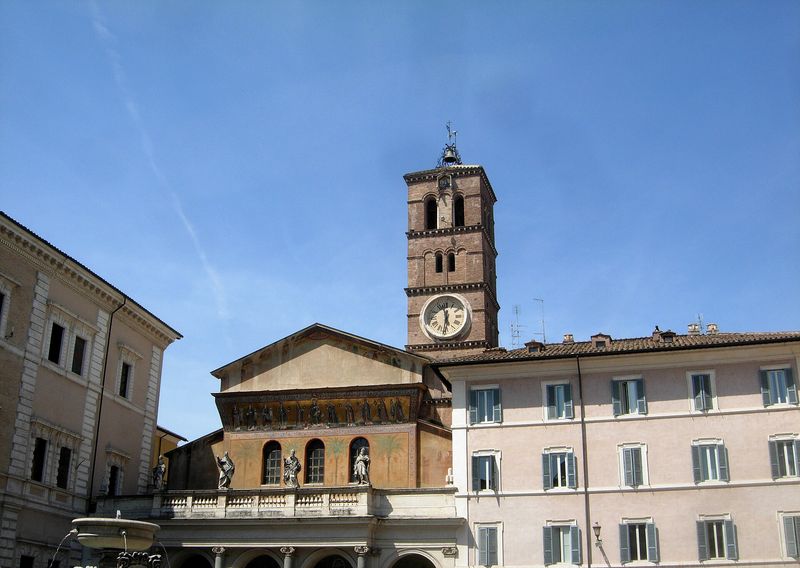
Not a monument but a mood — the tangle of ivy-hung alleys and lantern-lit squares across the river, best experienced simply by wandering after the aperitivo hour as the day-trippers thin and the neighbourhood exhales.
Tip:Aim for the small church of Santa Maria in Trastevere at golden hour; its gold mosaics glow, and the piazza fountain is the best free seat in Rome.
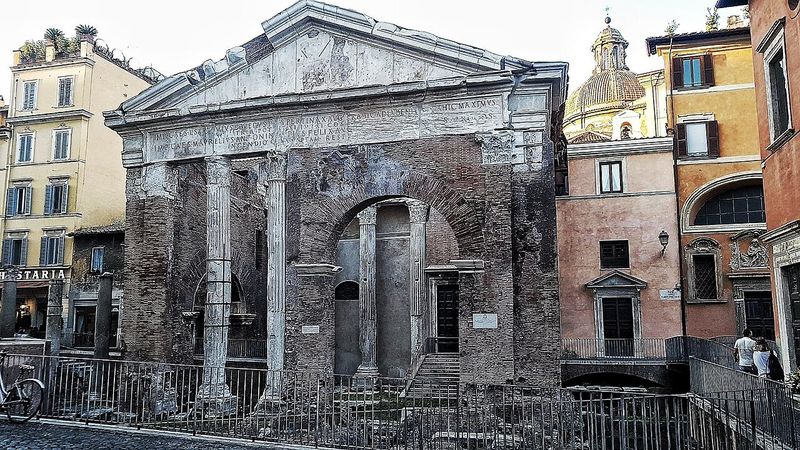
One of the oldest Jewish quarters in Europe, a warren of quiet lanes wrapped around ancient ruins, with the great synagogue, the Portico d'Ottavia, and the city's finest fried artichokes — carciofi alla giudia — as its edible signature.
Tip:Come hungry in artichoke season, roughly winter into spring, and order the carciofo alla giudia; sit outside among the ruins of the Portico.
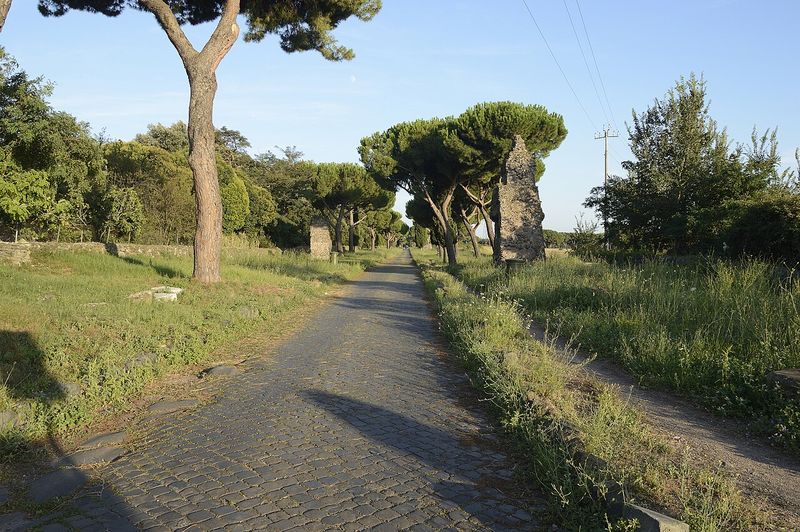
The queen of ancient roads, still paved with its original basalt stones and lined with tombs, catacombs and umbrella pines, running out of the city into open country. On a Sunday, when much of it closes to traffic, it is pure green calm.
Tip:Rent a bike near the park gate and ride out on a Sunday morning; the surviving Roman paving and the pine shade are the whole reward.
A modern covered market on the site of the old slaughterhouse quarter, where Roman home cooking is at its most honest — trapizzino pockets, offal sandwiches for the brave, and stalls where locals actually do their shopping.
Tip:Go for an early lunch on a weekday and eat a trapizzino from Mordi e Vai; this is where Romans, not tourists, are queuing.
Best for first-timers who want it all on the doorstep
The postcard core around the Pantheon, Piazza Navona and Campo de' Fiori — you step out of the door into Baroque Rome and can reach almost everything on foot. You pay for it, and evenings can be lively, but nothing beats it for first-time immersion.
A boutique hotel on a quiet lane near the Pantheon
Look for a small design-led place tucked off the main squares so you get the location without the late-night piazza noise.
The ivy-and-cobbles village across the river that everyone falls for — golden walls, lantern-lit squares, and the most atmospheric evenings in the city. Just know it becomes a nightlife stage on weekends, so choose a quiet street away from the bar cluster.
A small hotel on a residential Trastevere lane
Aim for the calmer western side toward the Gianicolo hill for morning quiet and postcard alleys without the weekend crowd.
The centre's coolest small quarter, wedged between the Colosseum and Termini — vintage shops, natural-wine bars, a proper neighbourhood piazza, and the Forum a short walk away. Central without the full postcard-price tax, and genuinely lived-in.
A design hotel on a Monti backstreet
The rione is full of small independent hotels with real character; you get walkable ruins and the city's best aperitivo scene downstairs.
The orderly, elegant grid beside the Vatican — calm, residential, and a different, more grown-up Rome. Great shopping on Via Cola di Rienzo, some of the best gelato in the city, easy Vatican access, and a short walk or metro hop into the centre.
A classic hotel near Via Cola di Rienzo
Prati's dignified streets stay quiet at night; you trade some centro-storico atmosphere for space, calm and easier value.
Best for food-lovers and budget-conscious repeat visitors
The old slaughterhouse district south of the centre, now Rome's most serious food neighbourhood with barely a tour group in sight. Working-class roots, a great market, honest trattorie, and a short tram ride into the historic core.
A B&B near the Testaccio market
Sleep among Romans doing their actual shopping; the food is the reason to be here and the rates are gentler than the centre.
Affiliate notePostcardRoute is reader-supported. Some links to Booking.com (stays, flights, car hire, tickets and tours, airport transfers) are affiliate links, tracked through CJ Affiliate: if you book through them we may earn a small commission at no extra cost to you. We only recommend places we would send a friend.
Book the restEverything else for the trip
Stay sorted? These open Booking.com for the other legs of the journey.
Affiliate noteThese four links are affiliate links too: if you book through them we may earn a small commission at no extra cost to you.
Beyond the cityWorthwhile day trips
Ostia Antica
Rome's own Pompeii without the crowds — the remarkably intact ruins of the ancient port city, with paved streets, mosaics, an amphitheatre and shopfronts, half an hour out on the commuter train and an easy, uncrowded half-day.
Tivoli
Two extraordinary gardens in one hill town: Hadrian's Villa, the sprawling ruins of an emperor's country estate, and the Villa d'Este, a Renaissance fantasy of terraced fountains. An hour from the centre and best combined in a full day.
The Castelli Romani
The volcanic hill towns south of the city — Frascati and Castel Gandolfo among them — where Romans go for crisp white wine, roast porchetta and cool air above the lakes. A relaxed escape from the summer heat of the centre.
Four full days is the honest minimum to see the headline sights — ancient Rome, the Vatican, the centro storico — and still have unhurried time to wander a neighbourhood or two at Roman pace. Three works if you are disciplined and book your big tickets ahead. A single weekend shows you the monuments but not the city, and it is the city, the alleys and the long dinners, that people fall for.
What is the best area to stay in Rome for first-timers?
The Centro Storico — the tangle around the Pantheon, Piazza Navona and Campo de' Fiori. It is genuinely central, endlessly walkable, and puts you inside Baroque Rome the moment you step out of the door. Trastevere across the river is the atmospheric alternative, and Monti near the Colosseum is the cooler, slightly better-value pick for anyone who wants a real neighbourhood feel.
Is Rome expensive to visit?
It can be, but it does not have to be. Central hotels and tourist-trap restaurants near the big sights are where costs climb fastest. Eat where the locals do in Testaccio or Trastevere's back streets, take lunch at a trattoria's fixed midday price, drink your coffee standing at the bar, refill your bottle at the free street fountains, and walk rather than taxi, and Rome delivers enormous pleasure for the money.
Do I need to book the Colosseum and Vatican in advance?
Yes, strongly. Both the Colosseum and the Vatican Museums sell timed-entry tickets online, and the walk-up queues without one can swallow a whole morning, especially in the heat. Book a few days ahead, take the earliest slot you can, and you will spend that time inside rather than standing in a line. The Galleria Borghese goes further and only admits you by two-hour timed reservation, so book that one earliest of all.
What is the best time of year to visit Rome?
Spring, roughly April to early June, and autumn, late September into October, are the sweet spots — warm light, artichokes or new wine on the menus, and crowds off their summer peak. Avoid July and August, when the heat is punishing and much of the city closes around the mid-August Ferragosto holiday. Winter is quietly excellent: crisp bright days, queue-free basilicas and the low sun flattering the ruins.
How do I get from Fiumicino airport into central Rome?
The Leonardo Express train runs direct from Fiumicino to Termini station in about thirty-two minutes and is almost always the smart choice, avoiding road traffic entirely. Official white taxis charge a fixed set fare from Fiumicino to the centre inside the old Aurelian walls, so agree it up front and refuse any freelance offers in the arrivals hall. From the budget Ciampino airport, take the dedicated shuttle bus to Termini.
We'd like to use a Meta (Facebook) pixel to see which guides are worth writing more of. It only loads if you say yes — decline and nothing from Facebook ever runs. Details on the Privacy page.