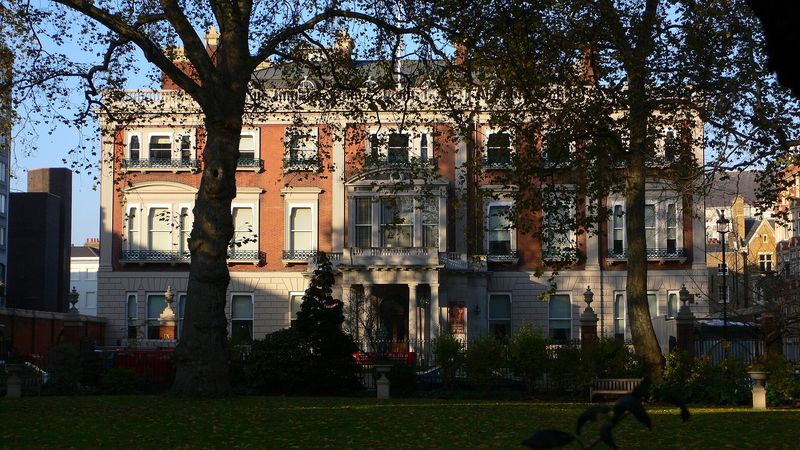
Forget the idea of one city. London is a loose federation of neighbourhoods that never agreed on a plan — and the trick is finding the two or three that feel like yours.
A capital stitched together out of villages · 51.51° N · 0.13° W
London does not have a centre so much as a rumour of one. Ask ten Londoners where the middle of the city is and you will get ten answers, most of them a bus ride apart. That is because the place was never designed; it accreted, swallowing Saxon hamlets and Roman roads and Georgian estates and postwar sprawl until it became a capital of eight million people that still, somehow, behaves like a hundred overlapping villages that happen to share a river and an Underground map.
This is the secret that turns a stressful megacity into one of the most rewarding places on earth to wander. You do not visit London. You pick a corner of it — Soho's neon fug, Shoreditch's brick and bravado, the wide grey lung of the South Bank — and you let that corner teach you how the rest of it works. The distances are real and the transport is unglamorous, but the payoff is a city where the mood changes completely every twenty minutes on foot.
What follows is not the tick-list of Big Ben and the Eye and the Tower, which you will see anyway and which are mostly fine. It is the other intelligence: where to sleep so the city feels like home rather than a hotel lobby, when to come so the parks are green and the queues are short, how to move without hating yourself, and how to eat and drink like someone who lives here rather than someone being processed through the tourist machine.
The caseWhy London still rewards the effort
London is expensive, grey more often than it should be, and spread across a footprint that will punish the impatient. It is also, right now, one of the great cities of the world for the simple business of being curious. The proof is in the doors that cost nothing to walk through. The British Museum, the National Gallery, Tate Modern, the V&A, the Natural History Museum, the two Tates and the two big science-and-nature palaces in South Kensington — all free, all permanent, all world-class. No other capital gives away this much culture at the front desk.
Beyond the museums, the pleasure is textural. It is the layering of eight centuries in a single sightline — a medieval church wedged under a glass tower, a Roman wall in an office car park, a Victorian market hall now selling flat whites. It is the pub, the one genuinely democratic institution left, where a barrister and a bricklayer stand at the same bar. And it is the sheer, restless range of the food: this is the best city in Europe to eat the food of somewhere else, whether that is a Gujarati thali in Tooting, a Turkish grill in Dalston, or dumplings in the basements of Chinatown. Come for the postcards; stay for the ordinary days.
The calendarWhen to go
The honest answer is May, June and September. Late spring gives you the parks at their improbable green best, cherry blossom in the squares, and the long northern evenings that keep the sky bright until nine — a genuinely magical quirk of London's latitude that catches most visitors off guard. September is the sleeper pick: the school-holiday crowds have gone, the light turns soft and gold, and the weather is often kinder than the actual summer.
July and August are warm and busy and the city can feel slightly airless, both literally on the un-air-conditioned Tube and figuratively as half of London tries to leave for the coast. Do not write off the winter, though. From late November the city does Christmas with real conviction — lights strung over the shopping streets, markets, cold-weather pubs with fires going — and museum galleries you fought through in July stand nearly empty in a wet January. Whatever month you choose, pack a layer and something waterproof and abandon any hope of a reliable forecast; London weather is a mood, not a science.
LogisticsGetting around
Two rules solve most of London. First, walk more than you think you should — neighbouring districts that feel like separate worlds on the map are often ten minutes apart on foot, and the Tube map is famously deceptive, drawing short surface hops as long underground journeys. Covent Garden to Leicester Square is one stop and a genuinely embarrassing thing to take the train for. Second, never buy a paper ticket. Just tap in and out with a contactless bank card or phone; the system caps your daily spend automatically at the same price as a travelcard, so you physically cannot overpay.
The Underground is the backbone and it is fast, but it is not the whole network. The red double-decker buses are slower, cheaper, and infinitely better for actually seeing the city — ride the top deck of a route through the centre and you have a sightseeing tour for the price of a single fare. The Elizabeth line, the newest addition, is a quiet marvel that crosses the whole city in air-conditioned calm. For the river, the Thames Clipper boats double as commuter transport and the best-value cruise in town. Skip black cabs unless it is late and you are tired; they are wonderful and ruinously expensive. Stand on the right of the escalator. This is not a suggestion.
The tableHow to eat and drink here
The old joke about English food died about thirty years ago and nobody told the tourists. London today is a serious eating city, but its genius is not in grand native cuisine — it is in range and in the neighbourhood. The single best strategy is to eat the food of London's communities where those communities actually live: Bangladeshi curry houses off Brick Lane, the Turkish ocakbasi grills of Dalston and Green Lanes, Vietnamese pho on the Kingsland Road, West African and Caribbean cooking in Peckham and Brixton, and the whole of the subcontinent in Southall and Tooting.
Do the markets properly, because street food is where London eats best for the money — Borough for the theatre and the produce, Maltby Street and Broadway Market at weekends for something looser and cheaper. Book the restaurants you actually care about; the good ones fill up. And understand the pub, which is the real institution. You order and pay at the bar, not at the table; you do not tip the bartender; and the ritual of the 'round', where everyone takes a turn buying drinks for the group, is a social contract you break at your peril. A Sunday roast in a good pub — beef, potatoes cooked in the fat, a Yorkshire pudding the size of a hat, gravy over everything — is the closest thing London has to a national meal, and it is worth planning a Sunday around.
The mapNeighbourhoods to know
Start in the West End, the theatrical heart, where Soho and Covent Garden press together in a tangle of narrow streets — Soho for late bars, old record shops, Chinatown and a whiff of ungentrified sleaze that somehow survives; Covent Garden for the piazza, the street performers, and the boutiques radiating off Seven Dials. It is central, walkable to almost everything, and never sleeps.
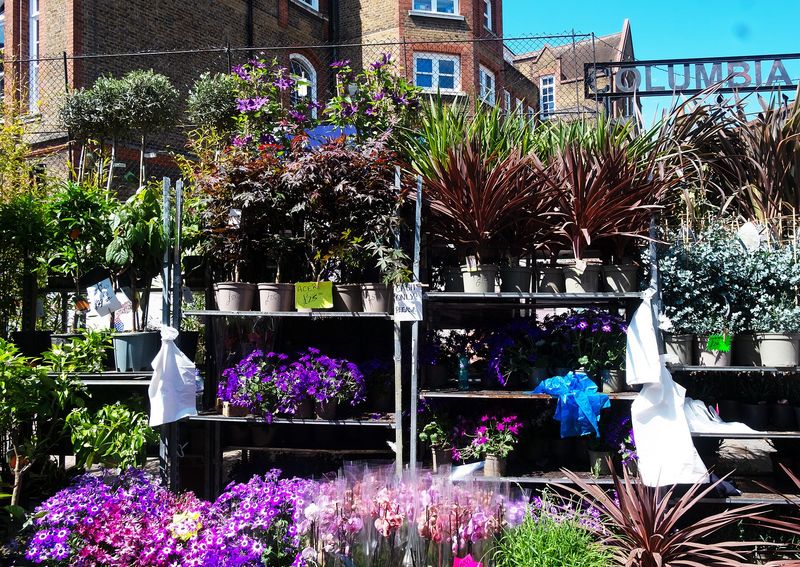
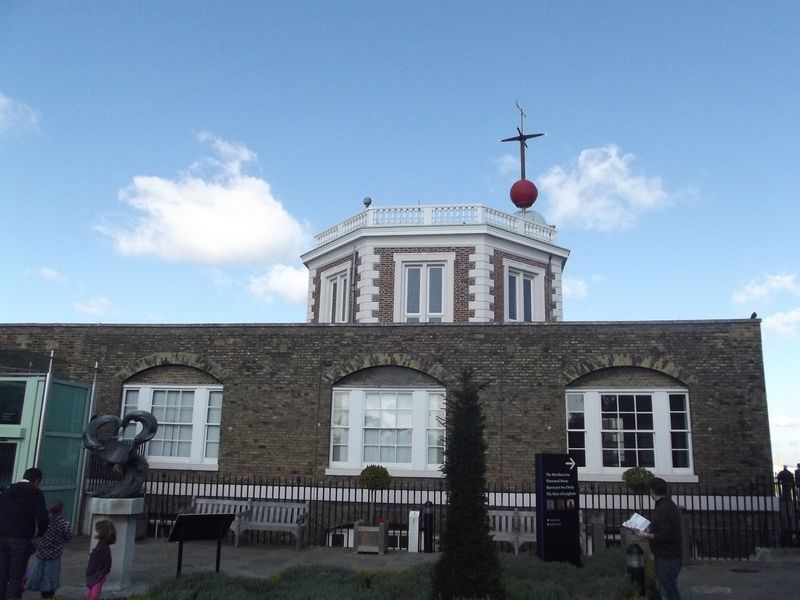
East is the counterweight. Shoreditch and the streets around it — Brick Lane, Columbia Road, Redchurch Street — turned a patch of old warehouses into London's engine of scruffy cool: street art, vintage, curry, and a Sunday flower market that is one of the loveliest hours in the city. Across the river, the South Bank runs a mile of riverside walk from the London Eye past the National Theatre and Tate Modern to Borough Market, the best pure stroll in London and gloriously free. Then the villages proper: Notting Hill in the west, all pastel Georgian terraces, the Portobello market and a moneyed calm; and Greenwich to the southeast, a genuine riverside town with a royal park, the Observatory on the hill, and the meridian line you can straddle with a foot in each hemisphere. Pick the two that suit your temperament and the city falls into place.
Field intelligencePractical intelligence
A handful of things that quietly smooth every trip. The museums may be free but their special exhibitions are not, and the good ones sell out days ahead — book those online before you arrive. Many of the free museums also run late openings one evening a week, which is the civilised time to visit them, half-empty and often with a bar or live music laid on.
Money is contactless everywhere; you can go a whole trip without touching a coin, and many places no longer take cash at all. Tipping is gentler than in America — around ten to twelve and a half percent in restaurants, and check the bill first because a 'discretionary service charge' is often already added and you are within your rights to have it removed if the service was poor. Pubs and bars: no tip expected. Pickpockets work the obvious crush points — Oxford Street, the West End on a big night, packed Tube carriages — so keep your phone out of your back pocket and off the pub table by the door. Finally, respect the weather's unpredictability and the daylight's: in December the sun is gone by four, so front-load your outdoor plans, and in June you can still be in a park at half past eight in broad light.
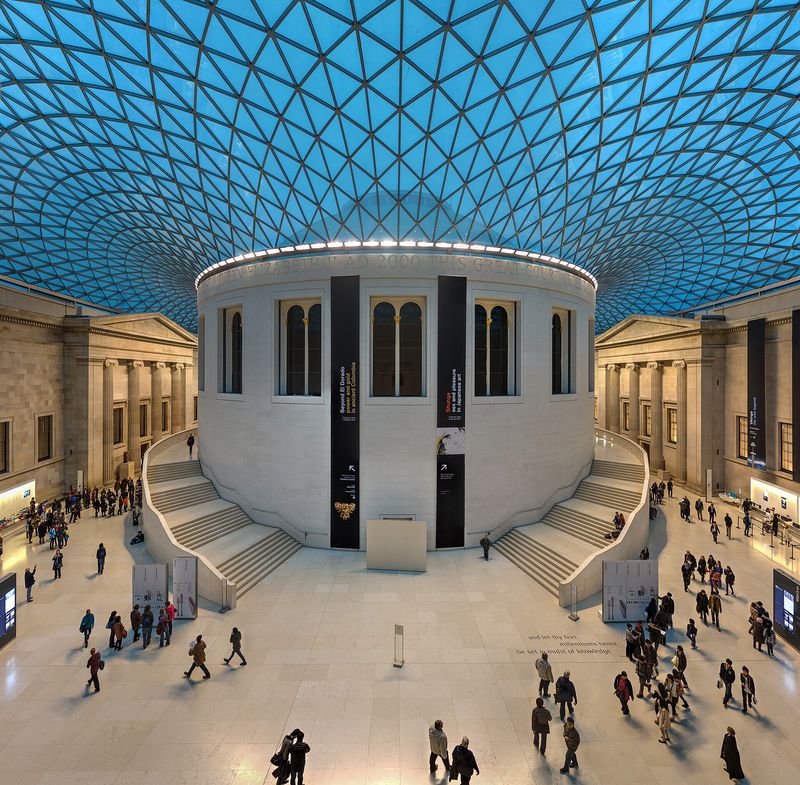
Two and a half million years of human stuff under a great glass-roofed courtyard — the Rosetta Stone, the Parthenon marbles, the Sutton Hoo helmet. Vast, overwhelming, and free.
Tip:Do not try to see it all. Pick two galleries, go straight there when the doors open at ten, and leave before the school groups arrive mid-morning.
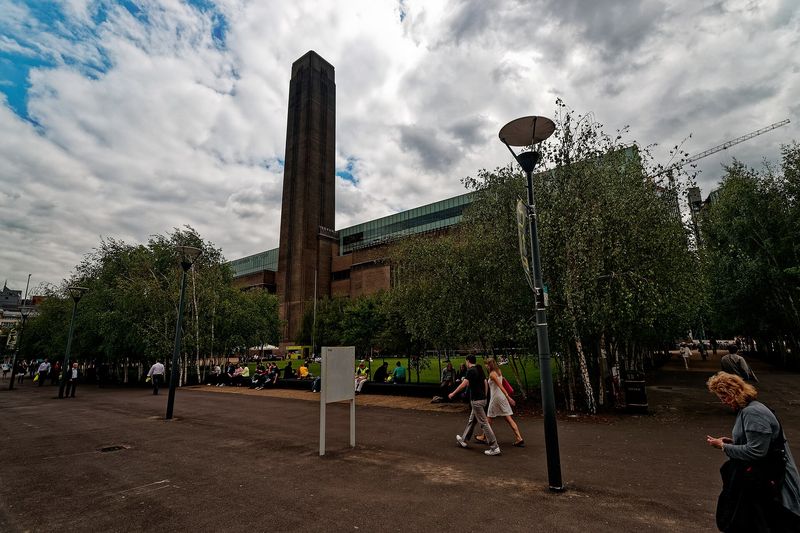
Modern and contemporary art in a converted Bankside power station, with a cathedral-scale Turbine Hall and a free top-floor viewing level looking straight across the river to St Paul's.
Tip:Skip the lift and take the escalator to the tenth-floor viewing gallery for one of the best free panoramas in London, no ticket needed.
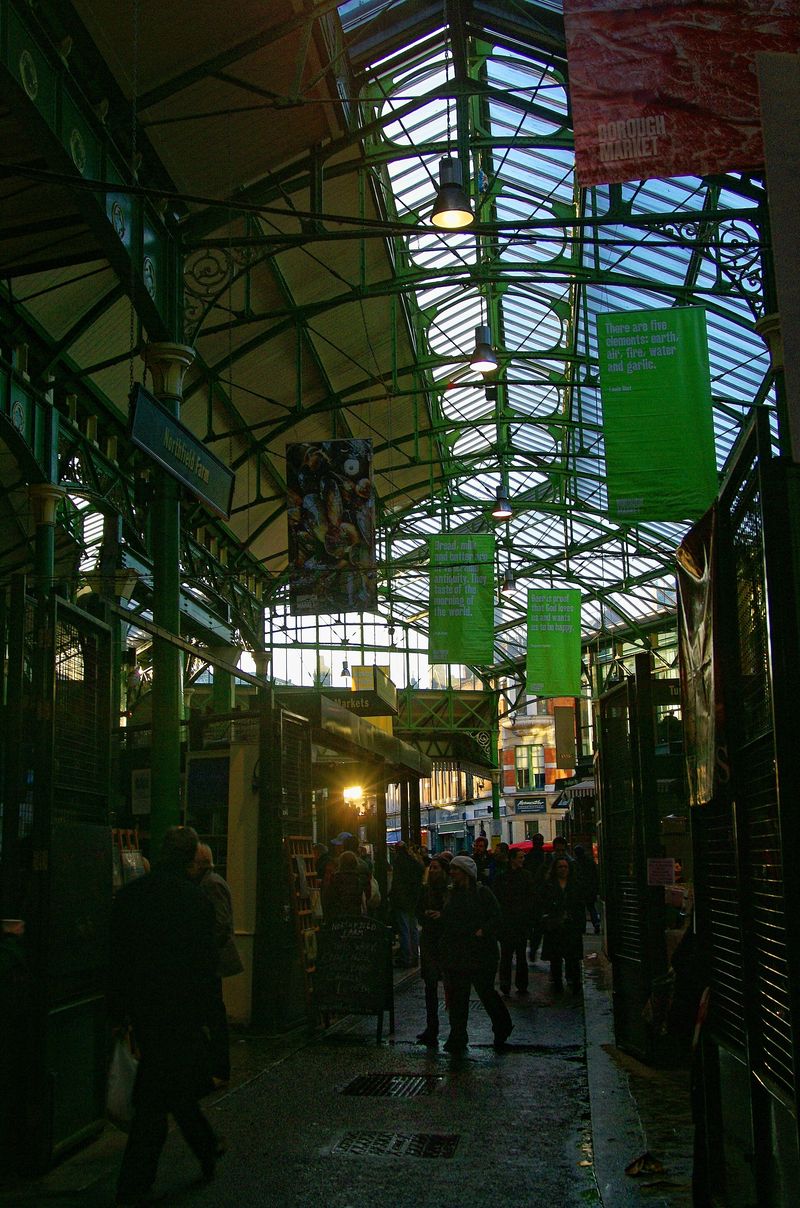
London's oldest food market, huddled under railway arches by London Bridge — cheese, oysters, sizzling grills, and enough free samples to make lunch redundant if you time it right.
Tip:Go on a Thursday or Friday rather than the Saturday scrum, and come hungry with cash and patience for the queues at the best stalls.
A single East End street that erupts every Sunday into a riot of blooms, cockney barrow-boy patter and packed independent shops. One of the most joyful mornings the city offers.
Tip:Arrive by nine before the crowd thickens, or roll up at two when the traders slash prices to clear stock and shout their bargains.
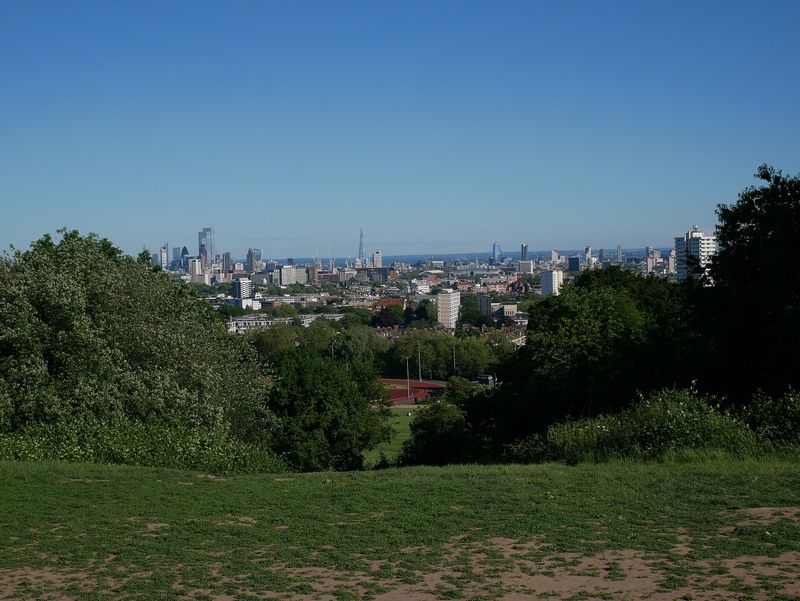
Eight hundred acres of wild, hilly parkland in the north, with swimming ponds, ancient woods, and the view from Parliament Hill that takes in the whole skyline in one sweep.
Tip:Climb Parliament Hill for the panorama, then reward yourself at a Hampstead village pub — the walk back down through the streets is half the pleasure.
A riverside town with a colonnaded naval college, a royal park climbing to the Observatory on the hill, and the Prime Meridian line where east meets west underfoot.
Tip:Take the Thames Clipper boat down rather than the train — it is cheaper than a tour, and arriving by water is how Greenwich is meant to be seen.
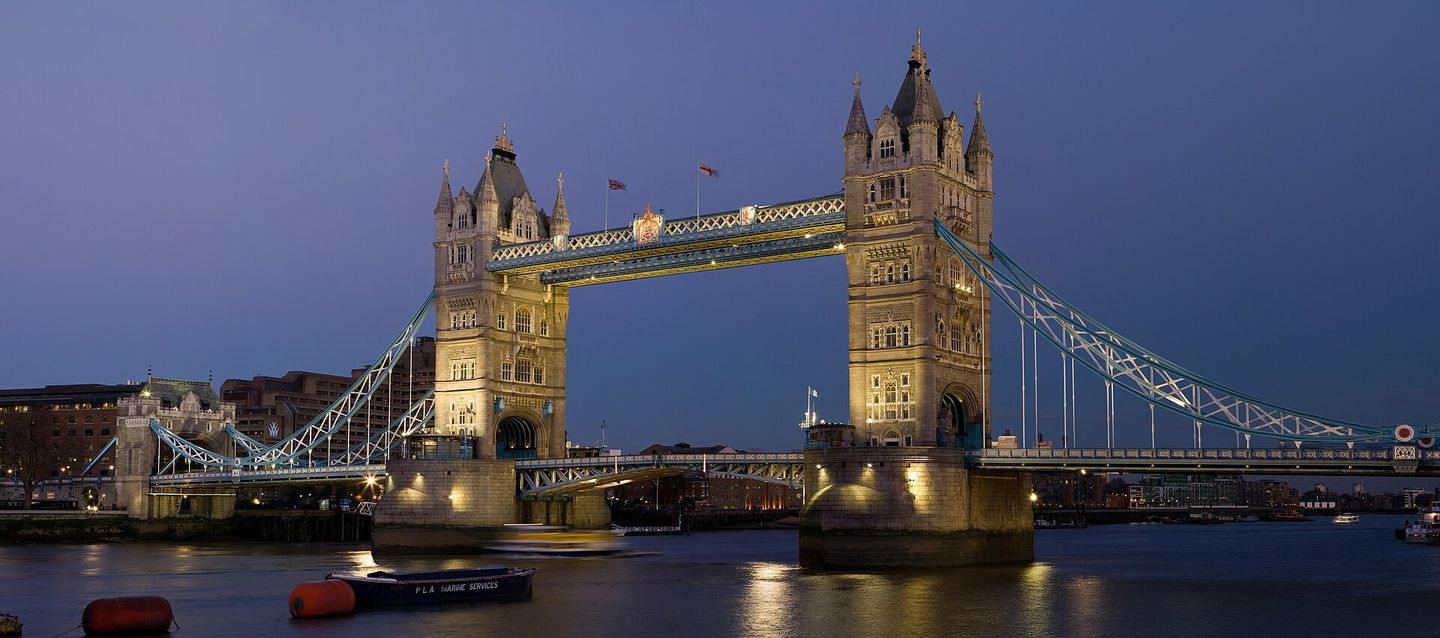
A nine-century-old fortress on the Thames that has been royal palace, prison and execution ground, now guarding the Crown Jewels behind Beefeaters who make gallows humour out of the building's grimmer history.
Tip:Book online for a meaningfully cheaper ticket and a timed slot that skips the walk-up queue, and arrive at opening to see the Jewel House before the tour groups fill it.
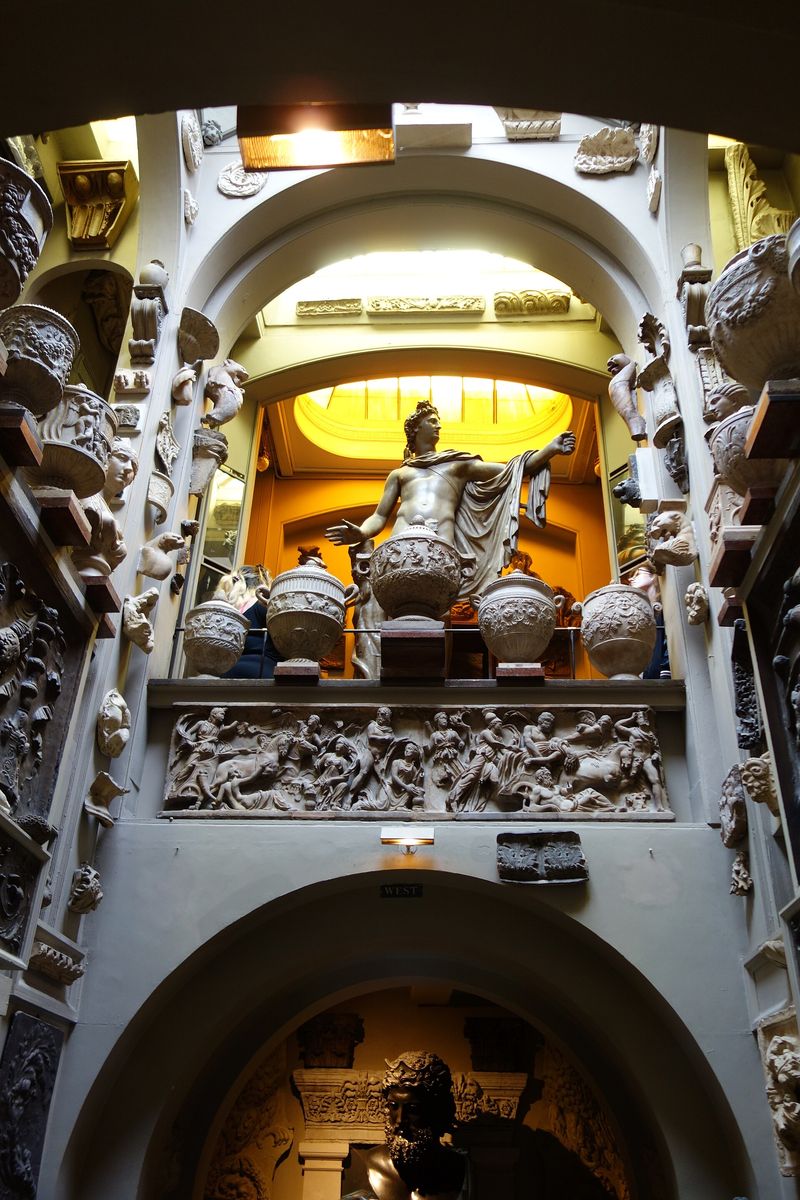
The house of a Georgian architect kept exactly as he left it, crammed floor to ceiling with sarcophagi, casts and paintings hidden behind folding walls. Small, strange, and unforgettable.
Tip:Free entry, but go on the first Tuesday evening of the month when it opens late by candlelight — the atmosphere is genuinely spellbinding.
A palatial townhouse of old masters, armour and gilt furniture just off Oxford Street, free to enter and blissfully quiet while the shopping crowds churn a block away.
Tip:Duck in for an hour to escape the Oxford Street madness, and take tea in the glass-roofed courtyard restaurant afterwards.
Best for first-timers who want everything on the doorstep
The theatrical dead-centre of London — bars, restaurants, theatres and shops packed into a few square streets that never quite go to sleep. You pay for it and you hear the nightlife, but nowhere is more walkable to everything.
Hazlitt's Hotel
Pick a small boutique off the main drag so you keep the location without a full night of pavement noise under the window.
Best for repeat visitors, night owls and design types
Warehouse cool turned mainstream — street art, vintage shops, the best curry houses and cocktail bars in the city, and a Sunday flower market on the doorstep. Younger, looser and better value than the West End, with fast links in on the Overground.
The Hoxton, Shoreditch
The area's signature look — exposed brick, rooftop bar, a lobby full of laptops — steps from Brick Lane and Columbia Road.
Best for culture-first travellers and river walkers
The riverside culture strip — Tate Modern, the National Theatre, Borough Market and a mile of Thames-side walking, with St Paul's and the City just across the bridges. Central, cultured and surprisingly calm once the day-trippers thin out at night.
Sea Containers London
Wake up to the Thames and walk to three major galleries before lunch; ask for a river-facing room and mean it.
Pastel terraces, garden squares, the Portobello Road market and a moneyed village calm. Further from the museums but a lovely, leafy base — this is the London of quiet mornings, good coffee and independent shopfronts rather than neon.
The Portobello Hotel
The classic Notting Hill address — white stucco, a private communal garden, and Portobello a five-minute walk downhill.
A proper riverside town with a royal park, maritime history and none of the central-London price tag. You trade being in the thick of it for green space, village pubs and a scenic boat commute up the Thames into town.
A quiet hotel near Greenwich Park
Wake up beside the park and the Observatory, with the Thames Clipper and the DLR both running you into the centre.
Affiliate notePostcardRoute is reader-supported. Some links to Booking.com (stays, flights, car hire, tickets and tours, airport transfers) are affiliate links, tracked through CJ Affiliate: if you book through them we may earn a small commission at no extra cost to you. We only recommend places we would send a friend.
Book the restEverything else for the trip
Stay sorted? These open Booking.com for the other legs of the journey.
Affiliate noteThese four links are affiliate links too: if you book through them we may earn a small commission at no extra cost to you.
Beyond the cityWorthwhile day trips
Oxford
An hour by train to the dreaming spires — honey-coloured colleges, covered markets and riverside pubs. Do a college or two, then hire a punt and let someone else do the pole work.
Windsor
Half an hour out to the largest inhabited castle in the world, still a working royal residence, with the Thames-side town and the long tree-lined avenue of the Great Park to wander after.
The coast at Brighton
An hour south to the sea — a pebble beach, a gaudy Regency pier, lanes full of vintage shops and the maddest palace in England. The easiest dose of seaside London can throw at you.
Four to five full days is the honest number to see the headline sights and still spend real time in two or three neighbourhoods at a human pace. Three works if you are focused and stay central. A single weekend will show you the monuments but not the villages — and it is the villages, the pubs and the markets that turn a visit into an attachment.
What is the best area to stay in London for first-timers?
Soho and Covent Garden in the West End. They are as central as London gets, walkable to the theatres, Chinatown, the river and most major sights, and superbly connected by Tube. Expect to pay for the location and to hear some nightlife. For a slightly calmer but still central alternative, the South Bank puts the big galleries and Borough Market on your doorstep.
Is London expensive to visit?
It can be one of Europe's pricier cities, but the ceiling is a choice. The great museums and galleries are free, the parks and river walks cost nothing, and street-food markets and the ethnic restaurants of the outer neighbourhoods feed you brilliantly for little. Where costs climb is hotels, black cabs and West End restaurants. Tap in with a contactless card so the daily fare cap protects you, eat at markets and pubs, and London becomes far gentler on the wallet.
How do I get around London?
Walk short hops — the Tube map wildly exaggerates central distances — and tap in and out with a contactless bank card or phone for everything else. The daily fare cap means you never overpay versus a travelcard. The Underground is fastest, the red buses are cheapest and best for sightseeing, the Elizabeth line crosses the city in air-conditioned comfort, and the Thames Clipper boats double as commuter transport and the best-value cruise in town.
What is the best time of year to visit London?
Late spring (May and June) and September are the sweet spots — the parks are green, the daylight stretches late into the evening, and the crowds are thinner than high summer. July and August are warm and busy, with an un-air-conditioned Tube; winter is cold and dark by four but rewards you with near-empty museums and the city's genuinely lovely Christmas season. Whenever you come, pack a waterproof layer.
How do I get from the airport into central London?
From Heathrow, the Elizabeth line runs straight into the centre for a fraction of the Heathrow Express fare, or the Piccadilly line Tube is the cheapest option if you are not in a hurry. Gatwick is served by the fast Gatwick Express and slightly cheaper Thameslink and Southern trains into Victoria and London Bridge. Stansted and Luton have their own express coaches and trains. Avoid taxis from the airports unless money is no object — traffic makes them slow and eye-wateringly expensive.
We'd like to use a Meta (Facebook) pixel to see which guides are worth writing more of. It only loads if you say yes — decline and nothing from Facebook ever runs. Details on the Privacy page.