Come for the miradouros and the pastéis. Stay because the light off the Tagus turns every tiled façade the colour of a struck match, and nobody is in a hurry.
The city built on light and seven hills · 38.72° N · 9.14° W
Lisbon does not perform for you. Where other capitals arrange themselves into a postcard and wait to be admired, Portugal's does its living out loud and at its own pace — laundry strung between windows above a Michelin kitchen, a fado singer warming up next to a hardware shop, a tram grinding uphill through a crowd that parts without looking. It is a working southern port that happens to be beautiful, rather than a beauty that has forgotten how to work, and that distinction is the whole pleasure of the place.
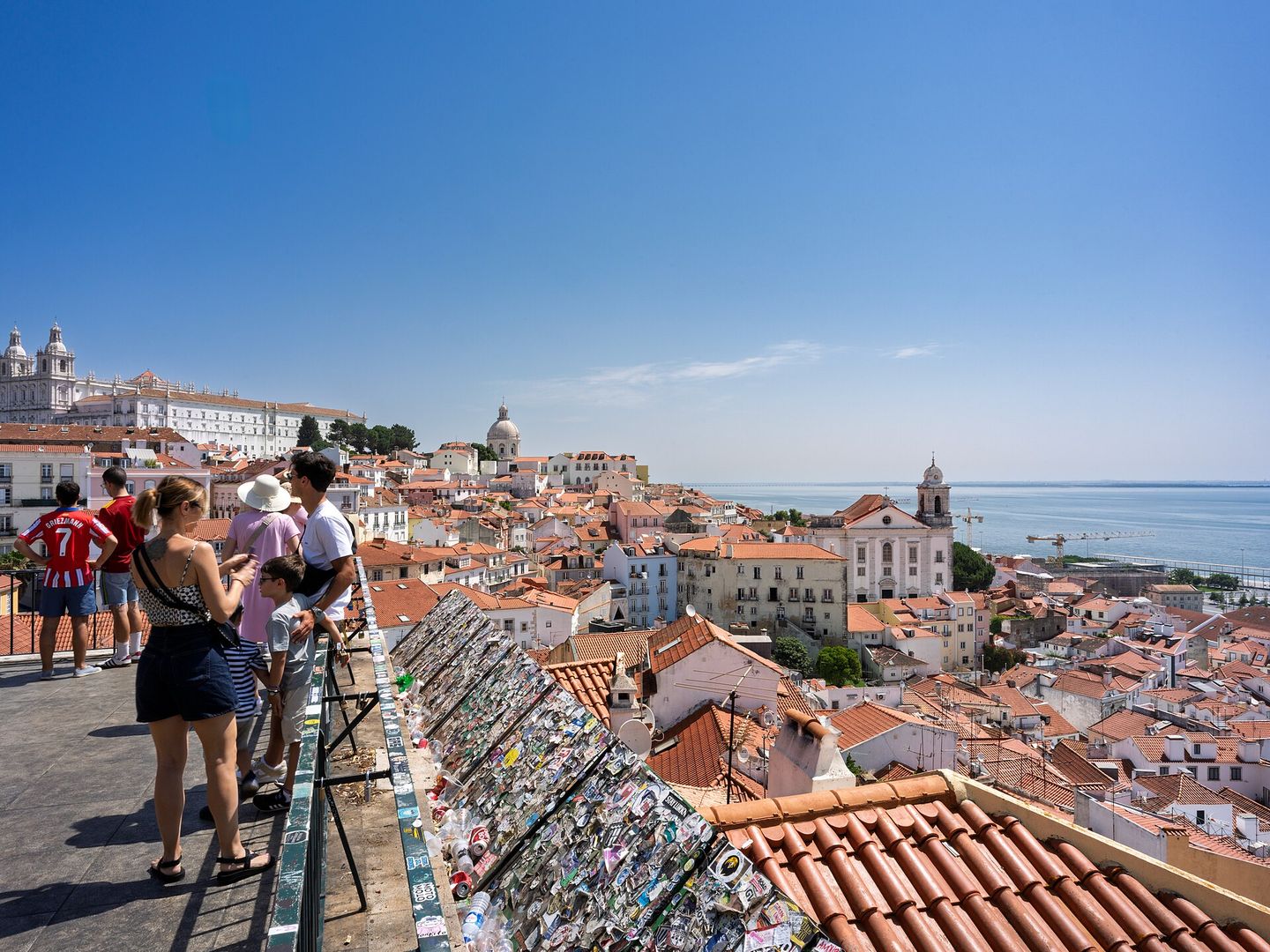
The city is stacked across seven hills above the wide mouth of the Tagus, and everything about it is shaped by that geography: the calf-burning staircases, the belvederes carved out wherever the land drops away, the trams that exist because the gradients defeat ordinary buses. The result is a place you experience in cross-section, always climbing toward a view or descending toward the water, the light doing extraordinary things at either end of the day.
This isn't a checklist. You will ride Tram 28 and eat a custard tart and photograph the tiles, and all of it will be lovely. What follows is the other information — where to base yourself so the hills work for you instead of against you, when to come before the summer crush arrives, and how to eat, move and behave so that Lisbon feels less like a stop on a cruise itinerary and more like a city you briefly belonged to.
The caseWhy Lisbon rewards the climb
People arrive expecting a cheaper, sunnier version of somewhere else and leave having found something with no substitute. Lisbon is the westernmost capital in mainland Europe, a city that spent five centuries facing the Atlantic and sending ships over the edge of the known world, and the melancholy grandeur of all that ambition still hangs over it — in the monastery at Belém, in the mournful blue of the fado, in the faded imperial scale of the downtown squares.
What makes it addictive, though, is the texture of ordinary days. The pleasures here are cheap and constant: a bica coffee thrown back standing at a marble counter, a grilled sardine and a glass of vinho verde eaten on a plastic stool in an alley, an hour spent doing absolutely nothing on a miradouro while the city turns gold beneath you. It remains, for now, one of the most affordable capitals in Western Europe, which means you can spend freely on the things that matter and still feel you got away with something.
The calendarWhen to go
Spring and early autumn are the honest sweet spots. March through May brings warm days, jacaranda trees blooming purple over the avenues, and terraces that are busy but not besieged. September and October are arguably better still — the ocean is at its warmest after a summer of heating, the fierce July-August glare softens, and the day-trip crowds and cruise passengers begin to thin.
June is a wildcard worth catching if you can. On the night of the 12th the whole city erupts for the Festas de Santo António, when Alfama and Graça fill with grilled-sardine smoke, paper garlands, cheap wine and dancing in the streets until dawn — chaotic, joyous, and the most alive Lisbon ever feels. High summer is hot, crowded and increasingly expensive, and the steep streets offer little shade at midday. Winter is the connoisseur's season: mild, low-lit, cheap, with empty miradouros and a soft grey Atlantic light, though pack for rain, which arrives in serious Atlantic bursts.
LogisticsGetting around the hills
Walk, but walk smart. Lisbon's centre is compact and endlessly rewarding on foot, but it is genuinely steep, and the calçada — those beautiful, treacherous limestone-cobble pavements — turns lethal in the rain and unkind on smooth soles. Bring shoes with grip and plan your routes to climb once and coast down, not the reverse.
Where your legs give out, the network takes over. Buy a rechargeable Viva Viagem card at any Metro station and load it with zapping credit, which works on the Metro, buses, trams, the funiculars and even the ferries across the river. The funiculars — the Glória, Bica and Lavra — are hillside cable-cars that spare you the worst ascents and are worth a ride in their own right. The Metro is clean, cheap and quick but only reaches part of the centre; much of the old city is tram-and-foot territory. Skip the tourist-mobbed Tram 28 at peak hours and ride the near-identical Tram 12 or 24 instead, or take 28 early morning before the queues form. For the airport, the red Metro line runs straight into town for the price of a single fare.
The tableHow Lisbon actually eats
Portuguese food is generous, salt-cured, sea-facing and unfussy, and the worst thing you can do is eat where the menu has photographs and a man outside inviting you in. The rule is simple: eat in a tasca, the small family-run tavern with a handful of tables, a paper tablecloth and a daily special chalked on the wall. That is where the country cooks for itself.
Start with the couvert — the bread, olives and little dishes brought unbidden to the table. You pay for what you touch, so send back what you do not want, no offence taken. Then eat the sea: grilled sardines in summer, a bacalhau (salt cod) done any of its legendary hundred ways, a cataplana of clams, or the humble bifana, a garlicky pork sandwich that is the great cheap lunch of the city. Drink vinho verde slightly chilled, or a glass of red from the Alentejo, and finish, always, with a pastel de nata still warm from the oven, cinnamon and icing sugar on the side. Lunch is the value meal here as everywhere in the south, and the prato do dia at a good tasca will feed you well for the price of a coffee-and-cake elsewhere.
The mapNeighbourhoods to know
Lisbon is a mosaic of distinct quarters, each with its own gradient and temperament. Alfama, the old Moorish maze below the castle, is the emotional core — a tangle of stairways and washing lines where fado leaks from doorways at night and you will happily lose yourself, because you cannot do otherwise. Baixa, the grand grid rebuilt after the 1755 earthquake, is the flat, formal downtown of mosaic plazas and imposing arcades, running up into Chiado, the elegant shopping and theatre district where old bookshops sit beside luxury flagships.
Up the hill, Bairro Alto is quiet and residential by day and a sprawling open-air bar by night, its narrow streets filling with drinkers who spill from tiny bars onto the cobbles. Adjoining Príncipe Real is its grown-up cousin — leafy, design-conscious, full of concept stores, a botanical garden and the city's best brunching. West along the river, Belém holds the monumental Lisbon of the Age of Discovery, the monastery and the tower and the original custard-tart bakery. And Cais do Sodré, once the sailors' red-light strip, is now the nightlife engine — reformed but not sanitised, home to the converted Time Out market and the famously pink Rua Nova do Carvalho. Knowing which of these suits your temperament is the key to sleeping well, which is next.
Field intelligencePractical intelligence
A handful of things that quietly improve every trip. The pavements are the hazard nobody warns you about: worn limestone calçada is slick as glass when wet, so slow down on the descents and forget your fashionable soles. Tipping is modest and optional — rounding up or leaving five to ten percent for good service is plenty; there is no American-style expectation.
Many museums are free on the first Sunday of the month, and the excellent Gulbenkian and the tile museum are worth planning around. The city is safe by big-capital standards, but pickpockets work Tram 28, the Santa Justa lift queue and the crowded downtown, so keep bags zipped and phones off café tables. Learn a few words — obrigado if you are a man, obrigada if you are a woman, is the courtesy that changes everything, and bom dia on entering a shop is expected. Buy a proper reusable water bottle; the tap water is safe and good. And do not try to see it all: Lisbon punishes the over-scheduled with its hills and rewards the ones who leave an afternoon empty for a miradouro and a glass of wine.
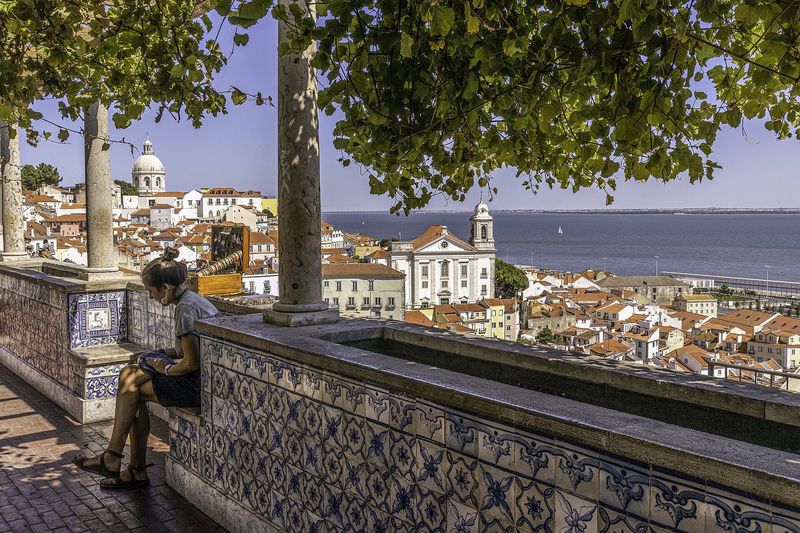
A tiled terrace on the edge of Alfama looking out over a cascade of terracotta roofs to the river, draped in bougainvillea and framed by blue-and-white azulejo panels. The quintessential Lisbon view.
Tip:Come for sunrise or an hour before sunset; midday floods it with tour groups and flattens the light that makes it magic.
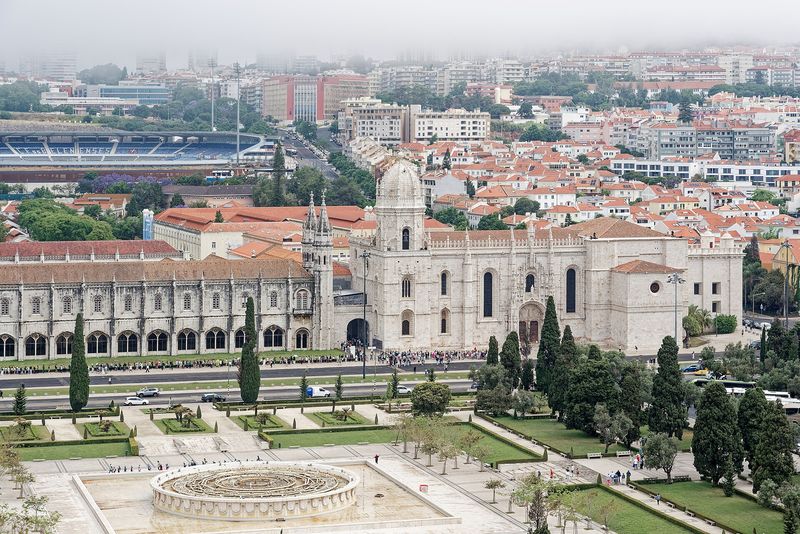
The staggering Manueline monastery in Belém, carved with ropes, anchors and sea-monsters in stone — a UNESCO monument to the wealth Vasco da Gama's voyages brought home, and the finest building in the city.
Tip:Book the timed ticket online and arrive at opening; the queue outside becomes brutal by mid-morning, especially on free-entry Sundays.
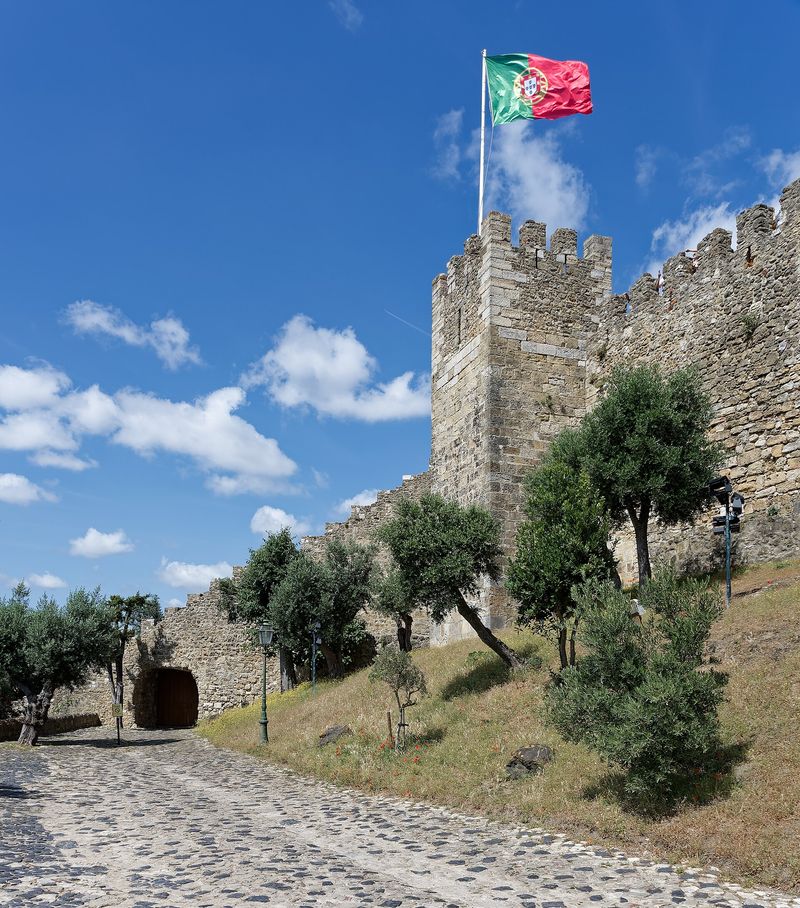
The Moorish hilltop fortress crowning the city, less about the ruins themselves than the ramparts you walk and the 360-degree panorama over the whole of Lisbon and the Tagus spread below.
Tip:Go late afternoon and stay for sunset; the light off the river from the walls is the best free show in town, ticket notwithstanding.
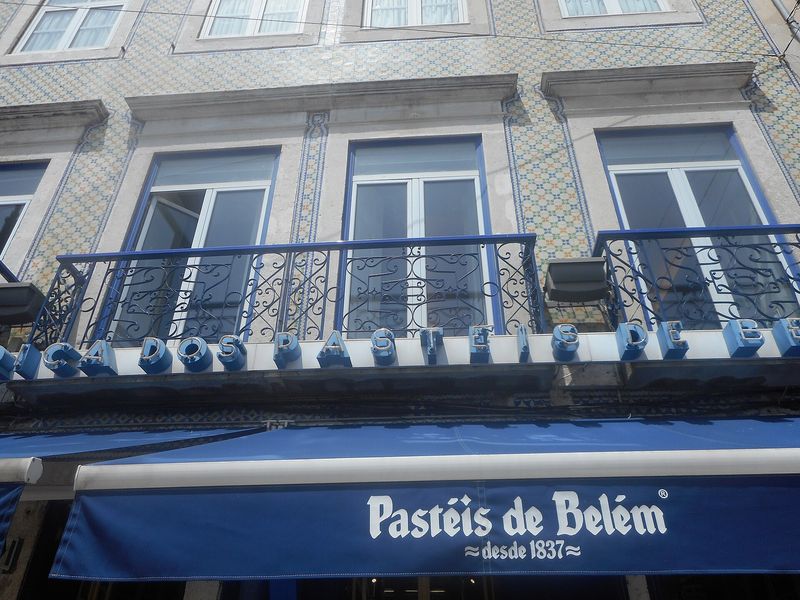
The original custard-tart bakery, working from a secret 1837 recipe behind a warren of tiled rooms. The tarts arrive warm, the pastry shatters, and yes, they are meaningfully better than the imitations.
Tip:Skip the enormous takeaway queue out front — walk inside and sit down; table service is faster and lets you eat them at their scalding best.
A fortified 16th-century watchtower guarding the mouth of the Tagus, its Manueline stonework carved with ropes, crosses and armillary spheres to match the monastery a short walk inland — the single image most people picture when they picture Lisbon.
Tip:Book the timed ticket online and go first thing; the narrow spiral staircase inside becomes its own bottleneck once the day-trip coaches reach Belém.
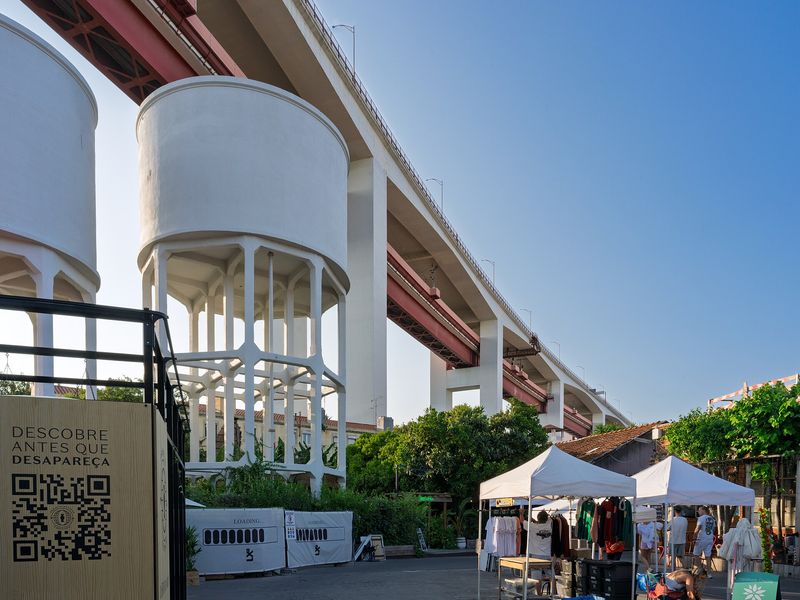
A converted 19th-century industrial complex under the great red bridge, now a warren of bookshops, design studios, restaurants and street art — the city's creative reinvention in one walkable block.
Tip:The Sunday market is the day to come; otherwise time it for lunch and browse the extraordinary Ler Devagar bookshop afterwards.
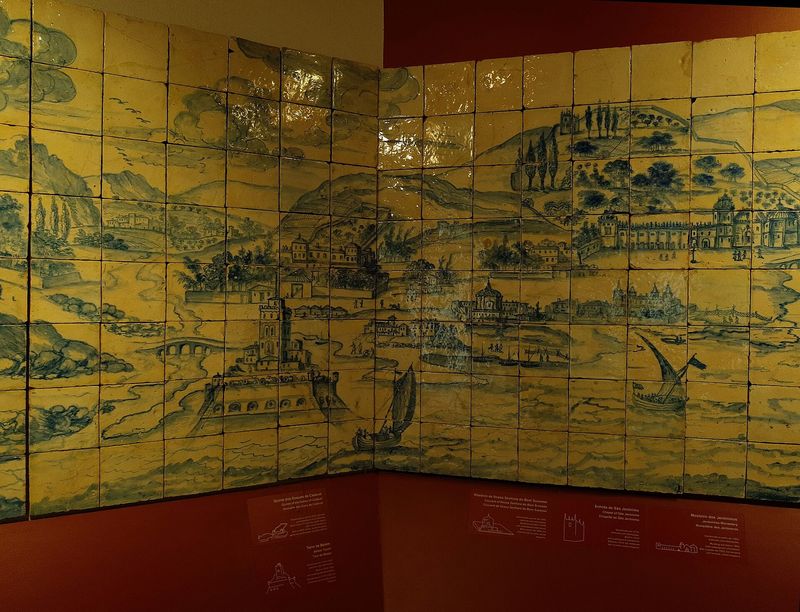
The national tile museum, housed in a former convent, tracing five centuries of the ceramic art that covers half the city's façades — culminating in a vast panorama of pre-earthquake Lisbon in blue and white.
Tip:It sits east of the centre and few tourists bother, which is precisely why you should; the cloister café is a serene lunch stop.
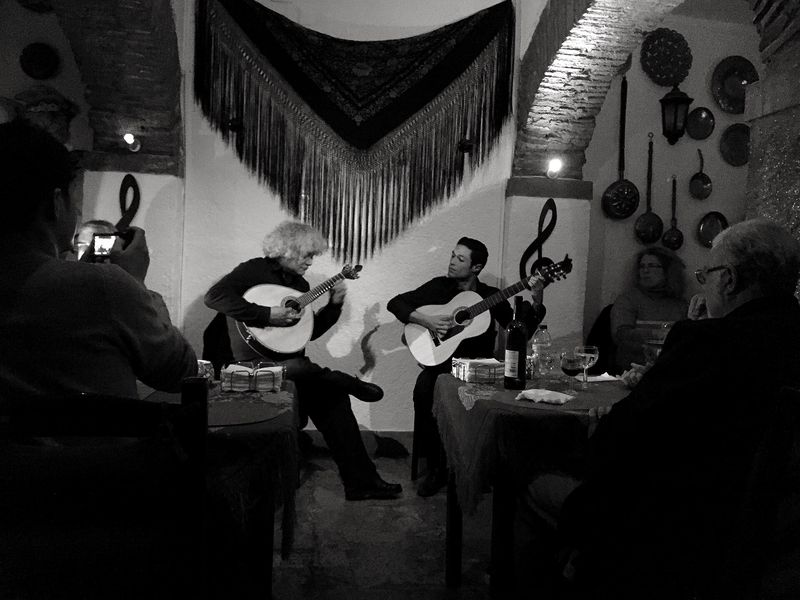
Portugal's aching, guitar-backed song of longing and fate, best heard in a small, dimly lit Alfama tavern over dinner rather than a slick tourist show. When the lights dim and the room goes quiet, it lands.
Tip:Choose a house that asks for silence during songs and books late; the real fado starts after ten, once the dinner crowd has thinned.
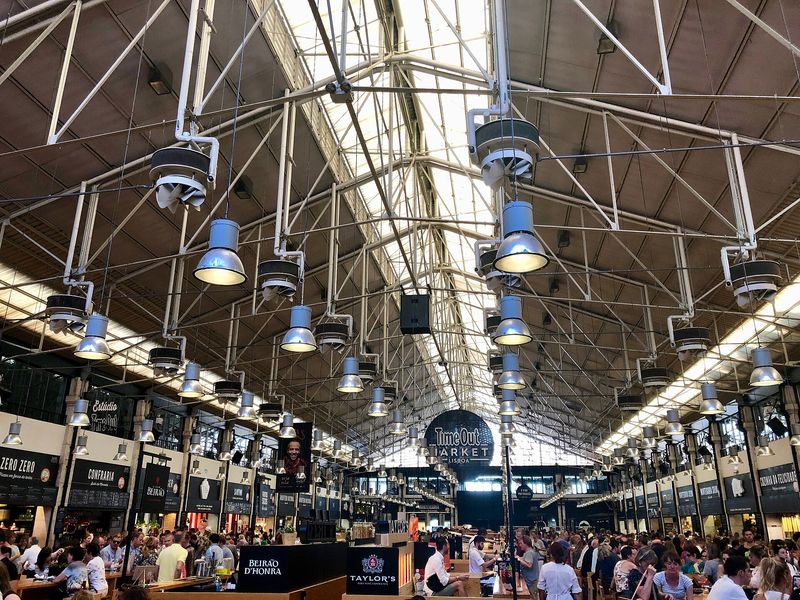
The old Mercado da Ribeira reinvented as a curated food hall gathering some of the city's best chefs and stalls under one roof at Cais do Sodré. Touristy, yes, but a genuinely good, low-commitment survey of Lisbon flavours.
Tip:Come at an off hour — mid-afternoon or right at opening — to actually find a seat at the communal tables, which vanish by lunchtime.
Best for atmosphere-seekers and romantics who don't mind stairs
The old Moorish maze below the castle — stairways, washing lines, fado at night, and views that stop you mid-sentence. It is the most atmospheric base in the city, though the hills and cobbles are relentless and cars barely fit the lanes.
A restored townhouse guesthouse in Alfama
Look for a small tiled guesthouse on a stepped lane near the Miradouro de Santa Luzia for the view and the morning quiet before the trams fill up.
One neighbourhood higher and slightly cheaper, Graça trades some central convenience for calmer streets and the city's best sunset miradouro on your doorstep.
Best for first-timers who want everything walkable and flat
The flat, grand, rebuilt downtown of mosaic squares and grand arcades, running up into elegant, shop-lined Chiado. Central to everything and blessedly level, which after a day on the hills you will come to treasure. Busy and touristy, but unbeatably convenient.
A classic hotel off Praça do Comércio
Basing yourself near the riverfront grand square puts the whole downtown grid, the ferries and the tram lines within a few flat minutes.
The theatre-and-bookshop district gives you polish, the best shopping and easy access up to Bairro Alto without the late-night noise of being inside it.
Best for night owls, and shoppers who want the calmer edge
Bairro Alto is quiet by day and one long open-air bar by night; adjacent Príncipe Real is its leafy, design-conscious grown-up cousin — botanical garden, concept stores, the best brunch in the city. Pick your side of the coin depending on whether you want the party or the calm above it.
A townhouse hotel in Príncipe Real
Stay in leafy Príncipe Real for the design boutiques and gardens by day, with Bairro Alto's bars a short downhill walk when you want them.
Best for food-and-nightlife travellers who want the river close
The old sailors' quarter reborn as the city's nightlife engine, anchored by the Time Out Market and the pink-painted party street. Riverside, well connected by train west to Belém and Cascais, and lively into the small hours — a trade-off you make knowingly.
A modern hotel near the Time Out Market
Puts the market, the ferry terminal and the Cascais train line at your feet, with the whole downtown a flat ten-minute walk east.
Best for repeat visitors and travellers craving space and calm
The monumental waterfront of the Age of Discovery — the monastery, the tower, the original custard tarts — spread along a broad, low-rise riverfront well west of the crush. Calmer, greener and more spacious, at the cost of being a tram or train ride from the nightlife and the old-town buzz.
A quiet hotel near the monastery
Wake up before the tour buses arrive and have Jerónimos, the riverside gardens and the first tarts of the day essentially to yourself.
Affiliate notePostcardRoute is reader-supported. Some links to Booking.com (stays, flights, car hire, tickets and tours, airport transfers) are affiliate links, tracked through CJ Affiliate: if you book through them we may earn a small commission at no extra cost to you. We only recommend places we would send a friend.
Book the restEverything else for the trip
Stay sorted? These open Booking.com for the other legs of the journey.
Affiliate noteThese four links are affiliate links too: if you book through them we may earn a small commission at no extra cost to you.
Beyond the cityWorthwhile day trips
Sintra
A fairytale hill town of romantic palaces wrapped in misty forest, forty minutes by train from Rossio. Go early, make straight for Pena Palace and the Moorish castle, and pre-book to beat the notorious afternoon crush.
Cascais & the Estoril coast
A breezy former fishing town turned elegant seaside resort at the end of the coastal train line, with beaches, a pretty marina, and the dramatic Boca do Inferno sea cliffs a short walk on.
Óbidos
A perfectly preserved walled medieval village an hour north, all whitewashed houses, bougainvillea and cobbled lanes, where you sip cherry liqueur ginjinha from a little cup of chocolate on the ramparts.
Three full days is the honest minimum to walk the main neighbourhoods, ride the trams, see Belém and still leave time for a miradouro and a long lunch. Four lets you add a day trip to Sintra or the coast without feeling rushed. A single weekend shows you the highlights but not the rhythm — and it is the rhythm that people fall for.
What is the best area to stay in Lisbon for first-timers?
Baixa or Chiado — the rebuilt downtown grid. It is central, blessedly flat after a day of hills, packed with restaurants and shops, and connected to everywhere by Metro, tram and train, so you can reach almost any sight on foot or in a few stops. Alfama is the more atmospheric alternative if you don't mind stairs and cobbles.
Is Lisbon expensive to visit?
By Western European capital standards, no — it remains one of the better-value city breaks on the continent, though prices have climbed fast in recent years. Eat the daily special at neighbourhood tascas, drink standing at counters, use the Viva Viagem transport card, and stay outside the peak summer months, and Lisbon delivers a great deal of pleasure for the money.
Do I need to speak Portuguese to visit Lisbon?
No. English is widely spoken in the centre, in hotels and in most restaurants, and Portuguese people tend to be warm and patient with visitors. That said, a few words go a long way — open with bom dia, say obrigado if you are a man or obrigada if you are a woman, and the courtesy is always noticed and returned.
What is the best time of year to visit Lisbon?
Spring (March to May) and early autumn (September to October) are the sweet spots — warm days, softer light, and the ocean at its warmest in autumn, with crowds thinner than the July-August peak. June is worth catching for the riotous Santo António street festivals, while winter is mild, cheap and quiet if you don't mind occasional Atlantic rain.
How do I get from Lisbon airport into the city?
The Metro's red line runs directly from the airport terminal into the city for the price of a single fare and is the cheapest, most reliable option, avoiding road traffic. It connects to the other Metro lines within a few stops. Official taxis and ride-hailing apps are inexpensive by European standards too, but budget for traffic at peak hours.
We'd like to use a Meta (Facebook) pixel to see which guides are worth writing more of. It only loads if you say yes — decline and nothing from Facebook ever runs. Details on the Privacy page.