
Spain · Andalusia
Córdoba, before it was anyone's day trip
For two centuries this was the biggest, richest, most literate city in Europe. It has spent the thousand years since being quietly magnificent instead, which is exactly why it rewards more than the afternoon most visitors give it.
Once the largest, most learned city in Europe, and in no hurry to remind you of it · 37.89° N · 4.78° W
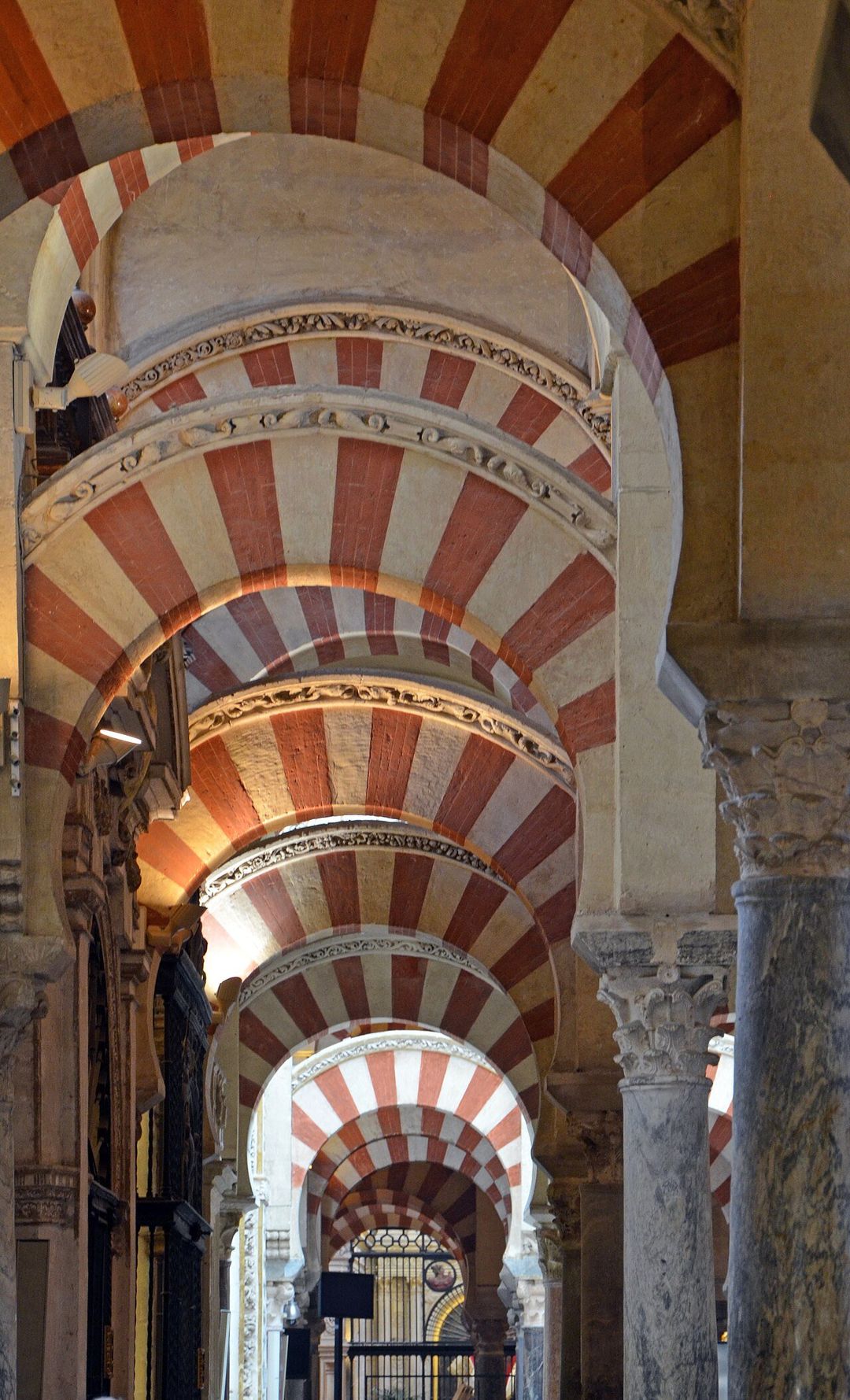
Most people arrive in Córdoba on a day trip from Seville, see the Mezquita, eat a plate of salmorejo somewhere near the bridge, and leave by early evening. They are not wrong to come for the Mezquita — it is one of the two or three buildings in Europe actually worth crossing a continent for — but they are wrong to leave so quickly, because Córdoba was not always the modest provincial city a rushed itinerary implies. In the 10th century, under the Umayyad Caliphate, this was by most accounts the largest and most sophisticated city in Europe: paved, lit streets while London was mud; a library said to hold hundreds of thousands of volumes while most of the continent couldn't reliably produce one; a court where Muslim, Jewish and Christian scholars worked alongside each other and occasionally against each other, but worked.
That history is not a plaque you read and move past. It is still legible in the city's bones — in a mosque with a cathedral built directly inside it rather than beside it, in a synagogue that survived only because Spain has so few left, in a street grid in the Judería that still confuses GPS the way it was designed to confuse invading armies. Córdoba's great trick is that it never rebuilt itself into a theme-park version of that past the way some heritage cities do. It just kept living in it, which means the magnificent bits sit unglamorously next to a modern Andalusian city with its own bars, its own traffic, and its own entirely different relationship to the summer heat than any visitor is prepared for.
This is a guide for someone giving Córdoba two or three days rather than an afternoon: how to see the Mezquita without fighting the tour-group tide, which neighbourhood actually hangs flowerpots from its walls and which neighbourhood just gets photographed doing it, when the heat makes outdoor sightseeing genuinely dangerous rather than just uncomfortable, and where to eat the cold soup that predates gazpacho and gets a fraction of the credit.
The caseWhy Córdoba is not just a Seville add-on
The Mezquita-Catedral justifies the trip on its own. Nowhere else in the world can you stand inside a 10th-century mosque's hypostyle hall — nearly 850 columns, double-tiered red-and-white horseshoe arches running in every direction like a forest someone had the discipline to plant in rows — and then turn a corner to find a full Renaissance cathedral built directly into its centre, a structure-within-a-structure that took Charles V's own architects more than two centuries to finish and that Charles V himself reportedly regretted commissioning once he saw the result: 'you have destroyed something unique to build something commonplace,' he is said to have told the cathedral chapter, a quote historians argue over but that locals repeat anyway because it's true.
But the deeper case for Córdoba is what that building represents, which is a specific and short-lived historical moment worth understanding before you see anything else. Under the Caliphate, Córdoba became the western Islamic world's great intellectual capital — the birthplace, a generation apart, of the Jewish philosopher Maimonides and the Islamic philosopher-physician Averroes, two of the most influential thinkers of the medieval world, born streets apart in a city where that kind of overlap was unremarkable. That convivencia — the coexistence, however imperfect and eventually broken, of three faiths building the same civilization — is the actual story Córdoba tells better than anywhere else in Spain, and it's a story best absorbed slowly, walking the Judería at an hour when the tour buses have gone, not skimmed on the way to catching a train back to Seville.
The calendarWhen to go — and when to actively avoid
Spring, specifically late April through May, is Córdoba at its absolute best and most crowded at once. This is when the orange trees in the Patio de los Naranjos are in bloom, the light is soft, and — if your dates line up — the Fiesta de los Patios runs for about two weeks in early May, when the city's private courtyard houses, mostly concentrated in the Alcázar Viejo and San Basilio neighbourhoods, throw open their doors and compete for who has arranged the most extravagant wall of potted geraniums. It's a genuine, UNESCO-recognised piece of living culture, not a tourist production, and worth planning a trip around if you can.
Then comes the reason Córdoba has a reputation problem: summer. This is consistently one of the hottest cities in mainland Europe, with July and August highs that routinely clear 40°C (104°F) and have touched the high 40s in the worst heatwaves. This isn't dramatic-effect weather writing — it is genuinely a season where midday outdoor sightseeing is unwise, not just unpleasant, and where locals structure their entire day around avoiding it. If you must visit in July or August, do everything outdoors before 10am or after 7pm and treat the hours between as enforced indoor time.
Autumn, especially late September through October, is the other great window — the heat breaks, the light turns gold on the old stone, and the crowds thin from their May peak without disappearing. Winter is mild by northern European standards and genuinely underrated: short, cool days, but a near-empty Mezquita most mornings and hotel rates at their lowest. Holy Week (Semana Santa), timed to Easter, brings solemn processions through the old town and a different, more hushed kind of crowd than May's festival energy.
LogisticsGetting around
Córdoba is a high-speed rail hub disproportionate to its size, and that's the first thing to understand about reaching it: it sits on the AVE line connecting Madrid to Seville, with Madrid around an hour and forty minutes away and Seville under an hour, plus reasonably direct connections south to Málaga. This makes Córdoba one of the easiest Spanish cities to fold into a wider itinerary without a rental car, and the station itself, Córdoba Central, is a straightforward twenty-minute walk or short bus ride from the historic centre.
Once you're there, walk. The old town — the Judería, the Mezquita, the Alcázar — is dense, flat and almost entirely best experienced on foot, with many of its best stretches pedestrianised or too narrow for meaningful car traffic anyway. A local bus network covers the newer parts of the city and the train station run, useful if your hotel sits outside the historic core or the heat makes a longer walk unwise, and taxis are affordable and easy to find around Plaza de las Tendillas and the Mezquita's perimeter.
If you're combining Córdoba with Medina Azahara or the Montilla-Moriles wine towns, you'll want either a rental car or one of the organised minibus tours that run from the centre, since neither is well served by regular public transport. For everything inside the city itself, though, a car is a liability — parking is scarce and expensive near the centre, and the old town's medieval street plan was not designed with vehicles, or for that matter straight lines, in mind.
The tableHow Córdoba actually eats
Start with salmorejo, not gazpacho. Córdoba's version of the cold tomato soup is older, thicker and arguably better than its more famous Seville-adjacent cousin — tomato, bread, garlic and olive oil blended into something closer to a chilled, savoury custard than a soup, usually finished with a scatter of diced jamón and hard-boiled egg on top. Order it anywhere that looks remotely serious about food and you'll understand within one spoonful why Cordobeses consider gazpacho the derivative dish, whatever the rest of the world assumes.
Flamenquín is the other local signature worth seeking out on purpose: a roll of pork loin wrapped around serrano ham, breaded and deep-fried, then usually served with a mountain of fries and a smear of garlic mayonnaise. It sounds unsubtle and is unsubtle, in the best way. Rabo de toro (braised oxtail, a legacy of the city's bullfighting tradition) and berenjenas con miel (fried aubergine drizzled with cane honey, a direct echo of Moorish-era cooking) round out the dishes that show up on nearly every serious menu in the old town.
Drink Montilla-Moriles, the wine region immediately south of the city, rather than defaulting to sherry out of habit. Made mostly from the same Pedro Ximénez grape as its more famous Jerez cousin but using a different, often unfortified process, it runs from bone-dry fino-style wines to lusciously sweet dessert versions, and it is criminally underpriced outside Andalusia. The rhythm of eating here follows the climate: lunch runs long and late by northern-European standards, a proper siesta genuinely happens in the worst of the summer heat, and dinner doesn't really start before 9pm, with tabernas around the Judería and Plaza de la Corredera filling their outdoor terraces as the temperature finally drops in the evening.
The mapNeighbourhoods to know
The Judería, wrapping the Mezquita's western and northern flanks, is the neighbourhood every visitor sees — a dense tangle of whitewashed, flower-draped lanes including the famously photographed Calleja de las Flores, plus the old Jewish quarter proper, home to one of only three medieval synagogues surviving anywhere in Spain. It is genuinely beautiful and genuinely saturated with souvenir shops and tour groups by midmorning; come at opening time or in the evening, after the day-trip buses have pulled out, to see it the way it's meant to be seen.
San Basilio and the wider Alcázar Viejo district, just southwest of the Alcázar de los Reyes Cristianos, is the neighbourhood that actually lives the patio culture the postcards borrow from the Judería. This is where most of the private courtyard houses that open for the Fiesta de los Patios are concentrated, and even outside festival season it's a quieter, more residential stretch worth a slow wander, with far fewer tour groups and a much better ratio of real neighbourhood bars to souvenir stalls.
Across the modern centre, Plaza de las Tendillas is Córdoba's genuine civic heart — a modern square with a landmark equestrian statue and a clock that chimes the hour to a flamenco jingle, ringed by the shops and tapas bars locals actually use day to day. Nearby, Plaza de la Corredera is architecturally the odd one out in Andalusia: a rectangular, arcaded Castilian-style square (it was used for bullfights and even Inquisition trials in earlier centuries) that now hosts a daily covered market and a lively ring of bars, with none of the Moorish-revival aesthetic the rest of the old town leans on.
Field intelligencePractical intelligence
Take the heat seriously. Between June and September, carry water at all times, front-load outdoor sightseeing into the morning, and treat the early afternoon as genuinely off-limits for anything strenuous — this isn't local colour, it's how the entire city organises its day, and plenty of visitors who ignore it end up spending an afternoon of their trip recovering from heat exhaustion instead of sightseeing.
The Mezquita-Catedral is an active Catholic cathedral as well as a historic mosque, so dress modestly — covered shoulders, nothing beachwear-adjacent — and expect a hushed, reverent atmosphere inside regardless of your own reason for visiting. Buying a timed ticket online in advance is worth doing year-round and essential in spring and around the Patios Festival, when same-day queues can run uncomfortably long in the sun.
If your dates fall in early May, book accommodation and any patio-visit plans well ahead — the festival draws visitors from across Spain, not just abroad, and the best-regarded patios develop queues of their own even though entry is free. Spanish and, in the old town, a reasonable amount of English will get you through most situations; Córdoba sees fewer English-first staff than Seville or Madrid, so a few basic Spanish phrases go further here than in Spain's bigger tourist hubs.
What to see & do
-
Mezquita-Catedral de Córdoba
A 10th-century mosque of almost 850 columns and endless striped horseshoe arches, with a full Renaissance cathedral built directly into its centre two and a half centuries later. Unlike anything else in Europe, structurally and historically.
Tip:Book a timed ticket online and arrive at opening — the hypostyle hall photographs and feels entirely different without a tour group every twenty feet.
See full guide -
Alcázar de los Reyes Cristianos
The fortified palace built by Christian monarchs after the Reconquest, with Mudéjar architecture, Roman mosaics moved indoors from elsewhere in the city, and terraced gardens that are the coolest outdoor spot in the old town on a hot afternoon.
Tip:Visit late afternoon in warmer months, when the gardens' fountains and shade make it genuinely more pleasant than anywhere else nearby.
-
Puente Romano & Torre de la Calahorra
A Roman-founded bridge across the Guadalquivir, rebuilt many times since antiquity, with the fortified Calahorra Tower — now a modest museum on Córdoba's three-faith history — guarding its southern end.
Tip:Cross at sunset for the classic view back toward the Mezquita's bell tower silhouetted against the river, then climb the tower before it closes for the same view in reverse.
-
Judería & Calleja de las Flores
The old Jewish quarter's tangle of narrow, whitewashed lanes, anchored by the famously photographed flower-draped alley that frames the Mezquita's tower from its far end.
Tip:Go before 9am or after 7pm — the alley is barely wide enough for two people and becomes a genuine bottleneck once the day's tour groups arrive.
-
Sinagoga de Córdoba
A small 14th-century synagogue, one of only three medieval synagogues to survive anywhere in Spain, with intricate Mudéjar plasterwork that hints at how it once looked in full. Modest in scale, significant in rarity.
Tip:Pair it with the nearby Casa de Sefarad museum, which does a better job explaining the Jewish quarter's history than the synagogue's sparse signage alone.
-
Plaza de la Corredera
A rectangular, arcaded Castilian-style square that once hosted bullfights and Inquisition trials — architecturally the one corner of the old town that doesn't borrow from Córdoba's Moorish past.
Tip:Come for the daily covered market in the morning, then come back for the bars ringing the square once the evening cools down.
-
Palacio de Viana
An aristocratic mansion built around twelve distinct courtyard gardens, each with its own character — a quieter, less crowded way to experience Córdoba's patio culture outside festival season.
Tip:Buy the full ticket rather than the courtyards-only option; the furnished rooms upstairs are worth the small difference in price.
-
Baños del Alcázar Califal
A 10th-century caliphal bathhouse rediscovered beneath later buildings, with star-shaped skylights and a layout — cold, warm and hot rooms — that still reads clearly a thousand years later.
Tip:It's small enough to see properly in twenty minutes, so slot it in right before or after the nearby Alcázar de los Reyes Cristianos.
On the groundWhere things are
Map data © OpenStreetMap contributors.
Where to stayBase yourself well
Judería
Best for first-timers who want everything on footThe historic heart around the Mezquita — whitewashed lanes, flower-draped courtyards, and every major sight within a ten-minute walk. Also the most tourist-dense and priciest patch of the city after mid-morning.
A courtyard hotel a few streets back from the Mezquita
Look just off the main tourist drag for a converted historic house with its own small patio — the location premium drops fast a block or two from the cathedral walls.
€€€A budget guesthouse near the old synagogue
The Judería's quieter western edge, near the Sinagoga, trades a few minutes' extra walk to the Mezquita for noticeably lower rates.
€€San Basilio & Alcázar Viejo
Best for the patios festival and a calmer, local-feeling stayThe real patios neighbourhood, just southwest of the Alcázar — quieter, more residential, and the best base for anyone visiting around the Fiesta de los Patios in May.
A small family-run guesthouse with its own flower-filled patio
Staying in a genuine courtyard house here puts the festival's actual neighbourhood right on your doorstep.
€€Centro & Plaza de las Tendillas
Best for value and a less touristy evening sceneThe modern civic centre, a ten-to-fifteen-minute walk from the Mezquita — better value, more genuine day-to-day city life, and the best concentration of tapas bars locals actually use.
A mid-range hotel near Plaza de las Tendillas
Easy walking distance to both the old town and the train station, with rates noticeably softer than inside the Judería proper.
€€Ribera del Guadalquivir
Best for river views and a quieter night's sleepThe riverside strip facing the Roman bridge and the Mezquita's silhouette — a short walk south of the old town, with some of the best views in the city and fewer crowds after dark.
A modern hotel overlooking the Guadalquivir
Ask for a river-facing room — the view across to the Calahorra Tower and the Mezquita at night is worth the modest extra cost.
€€€Affiliate notePostcardRoute is reader-supported. Some links to Booking.com (stays, flights, car hire, tickets and tours, airport transfers) are affiliate links, tracked through CJ Affiliate: if you book through them we may earn a small commission at no extra cost to you. We only recommend places we would send a friend.
Book the restEverything else for the trip
Stay sorted? These open Booking.com for the other legs of the journey.
-
Tours & tickets
Things to do in Córdoba
Skip-the-line tickets, tours and day trips.
Browse activities -
Wheels
Car hire in Córdoba
Compare pick-up points and rental companies.
Compare cars -
Air
Flights
Search fares, then come back for the neighbourhood advice.
Search flights -
Ground
Airport transfers
Book a taxi or private transfer before you land.
Book a transfer
Affiliate noteThese four links are affiliate links too: if you book through them we may earn a small commission at no extra cost to you.
Beyond the cityWorthwhile day trips
- Medina Azahara
The ruined 10th-century palace-city built by the Caliphate just outside Córdoba, abandoned and sacked within decades of its construction — an eerie, half-excavated counterpoint to everything still standing in the city itself.
- Montilla-Moriles wine country
The rolling vineyards immediately south of the city, producing underrated Pedro Ximénez wines from dry to intensely sweet — a handful of family bodegas offer tastings a short drive from the centre.
- Priego de Córdoba
A Baroque hill town roughly an hour southeast, known for some of the finest olive oil in Spain and a dramatically sited old quarter wedged into a cliffside, with far fewer visitors than the capital.
- Almodóvar del Río Castle
A dramatically restored medieval castle on a hilltop above the Guadalquivir, roughly twenty minutes west, with sweeping views and a silhouette that will look familiar to anyone who has watched a certain fantasy series.
Before you goCommon questions
- Is Córdoba worth visiting beyond the Mezquita?
- Yes, decisively. The Alcázar's gardens, the Judería's back lanes once the tour groups thin out, the Palacio de Viana's twelve courtyards, and the modern Centro's tapas scene around Plaza de las Tendillas all reward a second or third day that a rushed day trip never gets to see.
- How many days do you need in Córdoba?
- Two full days covers the Mezquita, the Alcázar, the Judería and a proper tapas crawl without rushing. Three lets you add Medina Azahara or the Montilla-Moriles wine country as a half-day trip, which is worth it if your schedule allows.
- Is Córdoba a good day trip from Seville or Madrid?
- It's an easy one logistically — under an hour from Seville and under two from Madrid by AVE — but treating it as only a day trip means missing the city at the hours it's actually at its best: early morning and evening, once the day-trip crowds have come and gone.
- When is the Córdoba Patios Festival and do I need a ticket?
- The Fiesta de los Patios runs for about two weeks in early May, dates shifting slightly year to year, and entry to the participating courtyards is generally free. Book accommodation well ahead regardless, since the festival draws heavy domestic tourism on top of international visitors.
- How hot does Córdoba actually get in summer?
- Genuinely extreme — this is consistently one of the hottest cities in mainland Europe, with July and August highs routinely above 40°C. If you're visiting in high summer, plan outdoor sightseeing for early morning or evening and treat midday as indoor time, the way locals do.
- Do I need to dress a certain way to visit the Mezquita?
- Yes — it functions as an active Catholic cathedral as well as a historic mosque, so modest dress (covered shoulders, nothing beach-oriented) is expected, and the atmosphere inside is hushed and reverent regardless of why you're visiting.
- Is Córdoba walkable without a car?
- Almost entirely. The historic centre is flat, compact and largely pedestrianised, and a car is more liability than asset there. You'll only want one, or an organised tour, for day trips to Medina Azahara or the wine country, which aren't well served by public transport.