The city plan is a grid, but the pleasure is in the diagonal — the drift from a Modernista doorway to a marble vermut counter to a strip of sand you reach on foot.
The city that put a beach at the end of every street · 41.39° N · 2.17° E
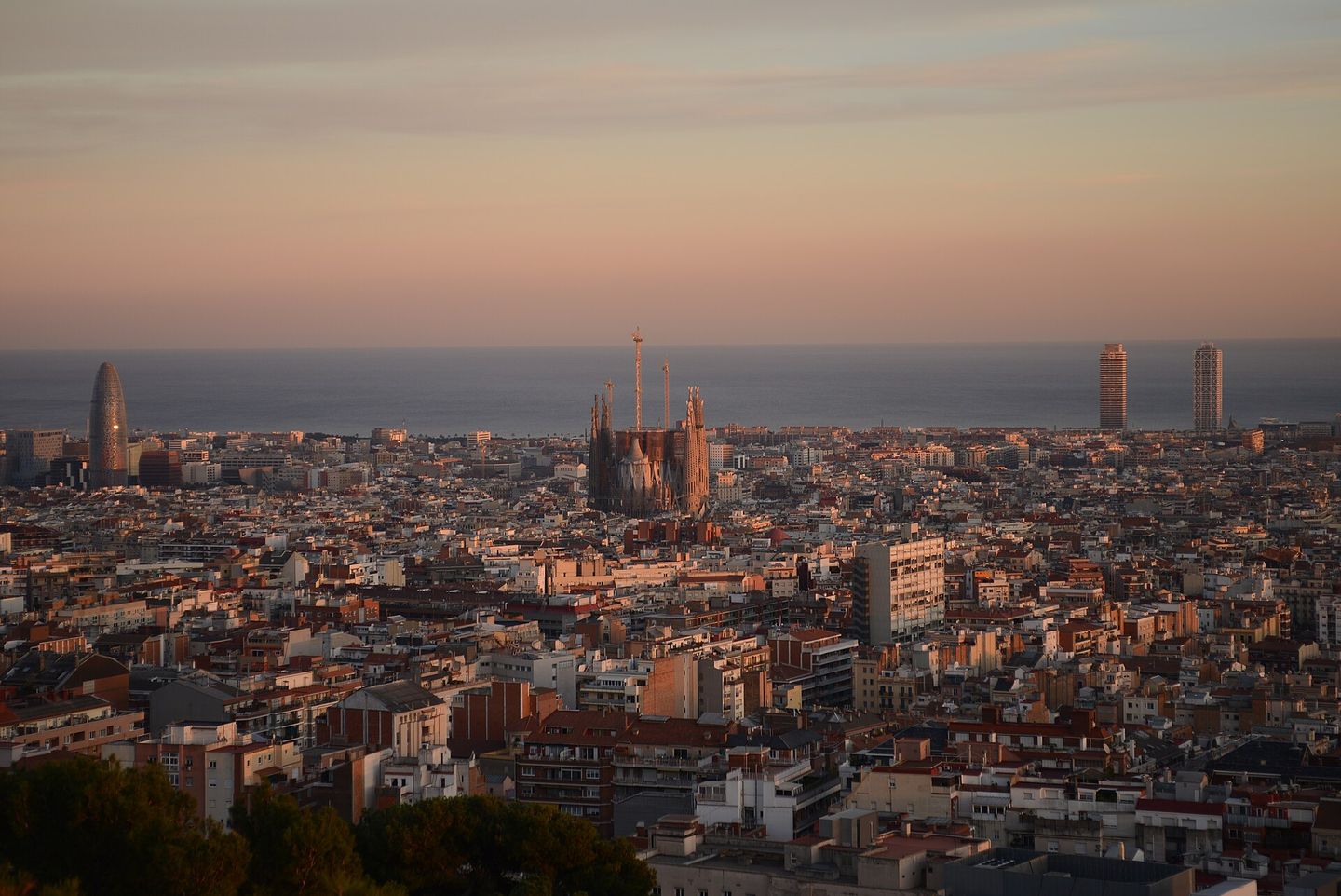
Barcelona is a city with its back to Spain and its face to the Mediterranean, and once you understand that geography everything else falls into place. It is squeezed onto a narrow shelf between the Collserola hills and the water, which is why it feels so improbably walkable: you are never more than a long stroll from either a wooded ridge or a wave. Catalans built a capital here that argues, quietly and constantly, that it is a nation of its own — its own language on every street sign, its own patron saints, its own way of eating late and living outdoors.
This is not a checklist of the things you already know you will photograph. You will see the Sagrada Família and it will genuinely stop you mid-sentence, and you will queue for the Gaudí houses on Passeig de Gràcia and it will be worth it. What follows is the other material — where to base yourself so the city belongs to you rather than to the cruise-ship day-trippers, when to come so the heat and the crowds are not fighting you, and how to eat, move and behave so that Barcelona opens up instead of treating you as one more weekend.
Give it four or five days and a willingness to nap through the worst of the afternoon and it repays you lavishly. Try to conquer it in a rushed weekend and you will get sunburn, a wallet lighter by one lifted phone, and a suspicion that you missed the real thing. You did. The real thing runs on a slower clock.
The caseWhy Barcelona is more than its skyline
People come for Gaudí and leave talking about the light, the food and the sheer ease of the place. What sets Barcelona apart from Europe's other great cities is that it never asks you to choose between culture and pleasure. In one day you can climb through the melting stone forest of the Sagrada Família in the morning, eat anchovies and a cold vermut standing at a zinc counter at noon, swim off the Barceloneta in the afternoon, and watch the sun go down from a bench on Montjuïc with the whole city and the port laid out beneath you.
The deeper pleasure is the Modernisme that seeped into the ordinary fabric of the city. This was a moment, around the turn of the last century, when a newly rich Catalan bourgeoisie handed its architects a blank cheque and a free hand, and the result is a city where even the pharmacy signage and the apartment-block stairwells are small works of art. You do not have to buy a ticket to feel it. Walk with your eyes up and Barcelona rewards you on almost every block — a wrought-iron balcony, a broken-tile mosaic, a doorway shaped like something from a dream.
The calendarWhen to go
Aim for the shoulders: May, June, late September and October. Spring brings warm days without the furnace heat, the terraces fill up, and the sea is just about swimmable by June for the brave. Early autumn is arguably the sweet spot of the year — the water is at its warmest after a summer of baking, the fierce crowds of August have gone home, and the light turns long and golden across the sandstone.
Avoid the deep of summer if you have any choice. July and especially August are hot, humid and heaving; locals who can afford to flee to the coast or the Pyrenees, and the streets belong to tour groups and pickpockets working the crush. If you must come then, do as the city does: mornings and late evenings outdoors, the dead middle of the day in the shade or asleep. Winter is genuinely underrated — mild, bright, cheap, and blissfully queue-free at the big sights, with the added treat of the Christmas markets around the cathedral. Just know that the sea is for looking at, not swimming, from November to April.
LogisticsGetting around
Walk, and take the metro for the rest. The old city is compact and made for feet, and the Eixample grid, for all its scale, is a joy to cross on foot because Ildefons Cerdà chamfered every corner into a little plaza. When you need to cover ground, the metro is clean, cheap, air-conditioned and easy — colour-coded lines you navigate by the last station, the same logic as any good European network.
Buy a T-casual for ten single rides or, better for a short trip, the Hola Barcelona travel card that gives you unlimited days including the airport metro line. That airport line, the L9 Sud, is the smart way in from El Prat — no traffic, drops you in the city for the price of a couple of coffees, though it is a slow ride so allow time. The Aerobús is faster to the centre if you are near Plaça Catalunya. Around town, the Bicing bike share is for residents, but plenty of app-based bikes and scooters fill the gap, and the seafront cycle path is a genuine pleasure. Skip taxis except late at night; they are reasonable but the metro is almost always quicker.
The tableHow Barcelona actually eats
Forget the paella-with-sangria cliché the tourist traps push on the Rambla — no local eats that, and paella is Valencian anyway. The real rhythm of Barcelona is tapas and the ritual of vermut. On weekends, late morning, the city pours out for the hora del vermut: a glass of sweet, herby, house-made vermouth on ice with an orange slice and an olive, some crisps or anchovies alongside, taken standing at a marble counter before lunch has even been contemplated.
Learn the honest words. A pica-pica is a spread of small plates to share; patatas bravas, pan con tomate rubbed with garlic and tomato, boquerones, croquetas, pimientos de Padrón. In the Basque-style bars you help yourself to pintxos speared on bread and pay by the toothpick count. Lunch is the great value everywhere — hunt down the menú del día, a three-course set lunch with wine for a fixed low price that is how the working city eats midday. And do it all late: locals sit down for lunch at two and dinner at nine or ten, and a restaurant that is busy at seven in the evening is a restaurant for tourists. Eat where you are, in the neighbourhood you are sleeping in, rather than trekking across town for a name off a list.
The mapNeighbourhoods to know
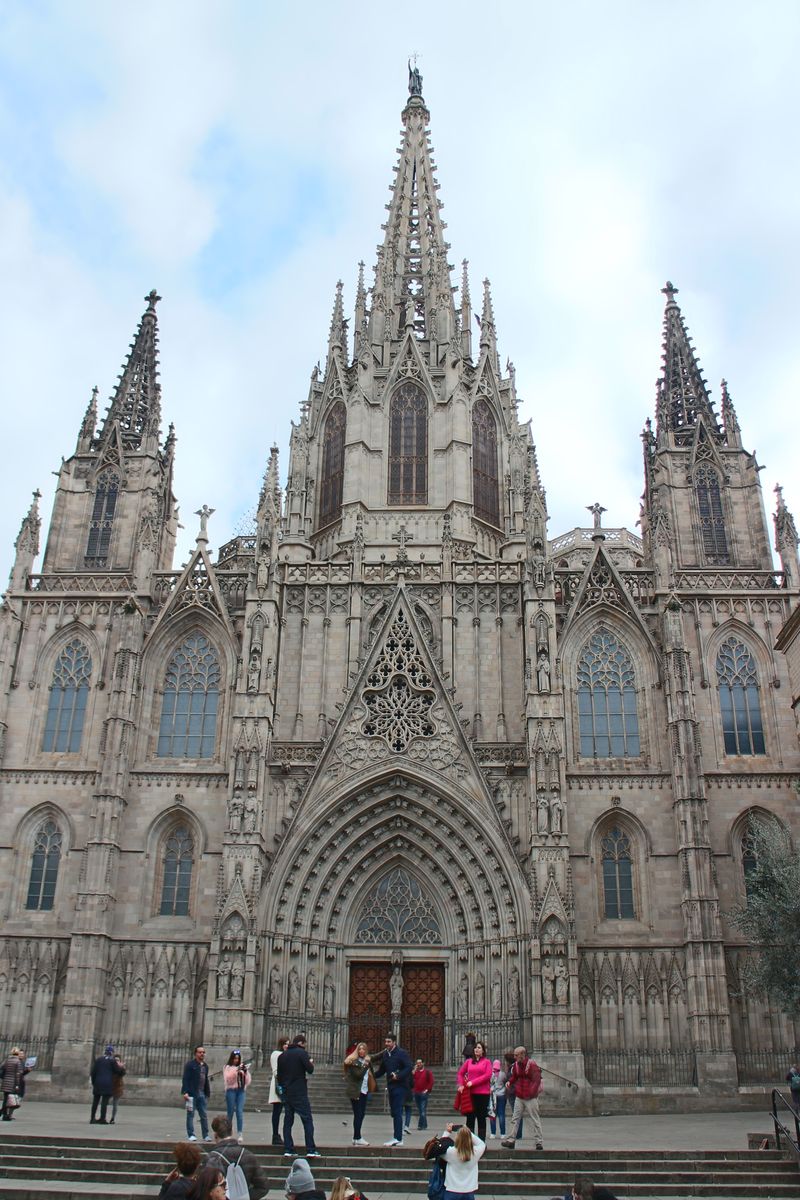
Barcelona is a set of distinct barris, and picking the right one is the whole game. The Barri Gòtic, the Gothic Quarter, is the medieval labyrinth at the city's core — Roman walls, hidden squares, a cathedral cloister full of geese, and lanes so narrow the sun barely reaches the cobbles. Right beside it, across the wide Via Laietana, El Born is the same age but has aged more elegantly: a designer-and-tapas quarter of stone palaces, the Picasso Museum, and the soaring Santa Maria del Mar church, with the best small dinners in the old city.
Up the hill, the Eixample is the grand nineteenth-century grid where the Modernista mansions line Passeig de Gràcia and the streets are wide, calm and moneyed — the left half around the Gaixample is the beating heart of gay Barcelona. North of it, Gràcia was a separate town until the city swallowed it, and it still feels like one: a village of small squares where people spill out to drink under the plane trees, low-rise, bohemian and refreshingly free of tour groups. And down at the water, Barceloneta is the old fishermen's triangle, a tight grid of tall narrow blocks with washing strung between them, seafood restaurants, and the beach at the end of every street.
Field intelligencePractical intelligence
A handful of things that quietly improve every trip. First, the language: Catalan is the mother tongue here and it matters to people, so a bon dia on entering a shop lands warmer than the Castilian buenos días, though everyone speaks Spanish and most speak some English. Nobody expects you to be fluent; they expect you to acknowledge that you are in Catalonia, not generic Spain.
Second, and this is not scaremongering, Barcelona is the pickpocketing capital of Europe and the thieves are professionals. They work the Rambla, the metro, the beach and any tourist crush; keep your phone out of your back pocket and off the café table's edge, wear your bag across your front on the metro, and never leave anything on the sand while you swim. Beyond that: tipping is minimal, rounding up a euro or leaving small change is plenty since service is not commission-based. Tap water is safe but heavily mineralised and locals mostly drink bottled. Sundays and Mondays close many shops and some museums, so check before you plan around one. And the afternoon lull is real — a lot of small places genuinely shut from roughly two to five, so run your errands and your sightseeing around the siesta rather than against it.
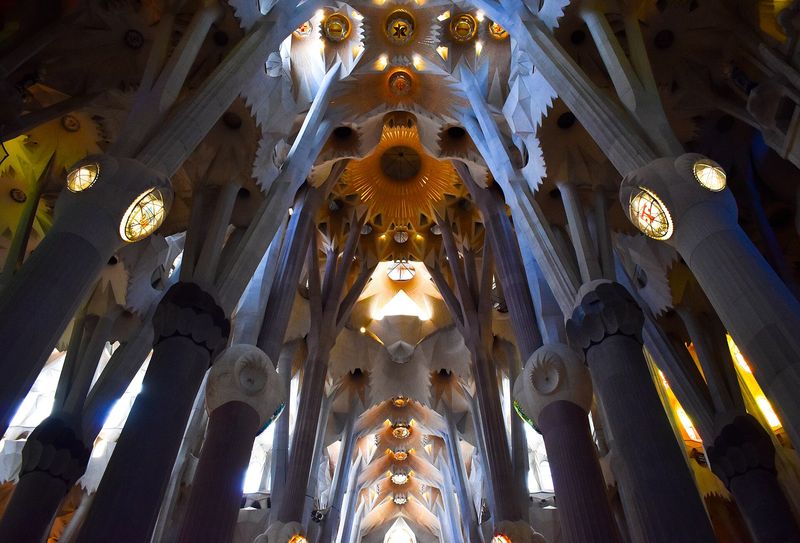
Gaudí's unfinished basilica is not a church you visit so much as a forest you enter — stone columns branching into a canopy, and stained glass that throws liquid colour across the whole nave as the day turns. Nothing prepares you for the inside.
Tip:Book a timed slot online days ahead and pick mid-morning for the east windows or late afternoon for the fiery west ones; the light show is the whole point.
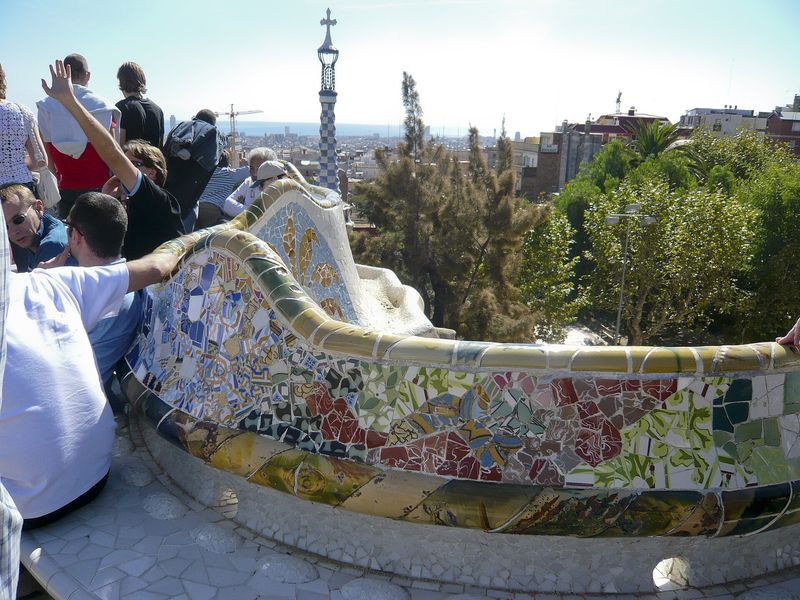
Gaudí's hillside garden city that never got built as housing, now a park of serpentine tiled benches, gingerbread gatehouses and a terrace with the best free-ranging view over the city to the sea.
Tip:The monumental core is ticketed and capped, so reserve ahead; the wooded upper park is free, quieter and has the panorama from the Turó de les Tres Creus for nothing.
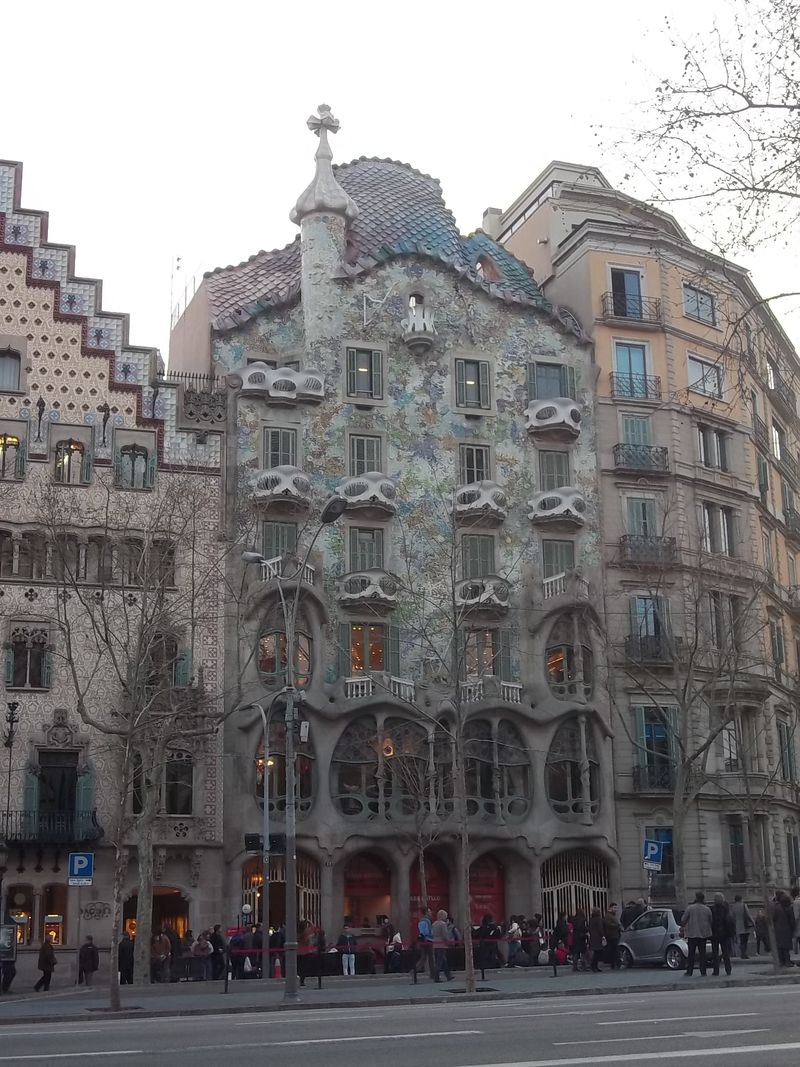
Two Gaudí apartment blocks a few doors apart on Passeig de Gràcia — one a shimmering dragon of broken tile and bone-like balconies, the other a rippling grey cliff of stone with a rooftop of chimney warriors.
Tip:If you only do one, make it La Pedrera at night in summer for the rooftop jazz sessions, when the chimneys are lit and the crowds have thinned.
Barcelona Cathedral hides a cloister with thirteen white geese and a leafy courtyard, and the medieval maze around it — Plaça Sant Felip Neri, the old Jewish Call — is best with no plan at all.
Tip:Come early morning before the tour groups; at eight the Gothic lanes are empty, echoing and genuinely medieval, and the cathedral roof terrace is worth the small lift fee.
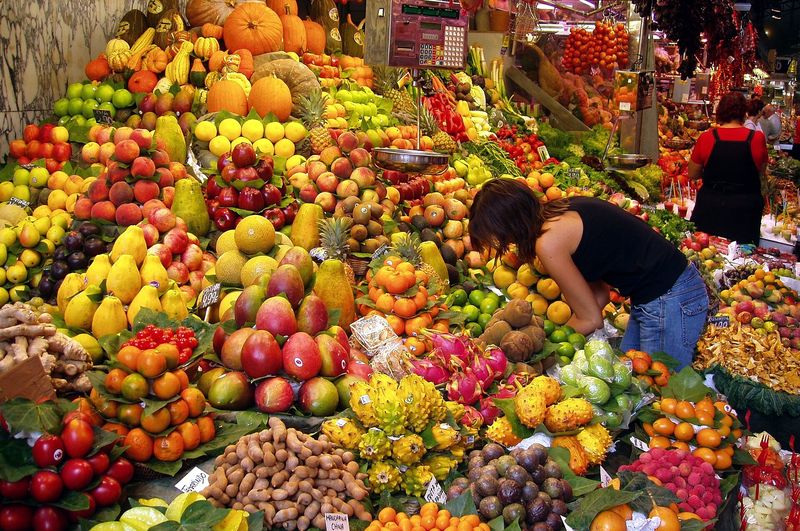
The great market off the Rambla is a riot of jamón, fruit cups, fish on ice and stand-up counters, and yes it is touristy at the front, but the trade is real and the eating serious.
Tip:Walk past the photogenic entrance stalls to the back and sides where locals shop; grab a stool at a counter like Bar Pinotxo for breakfast rather than a paper cone of overpriced fruit.
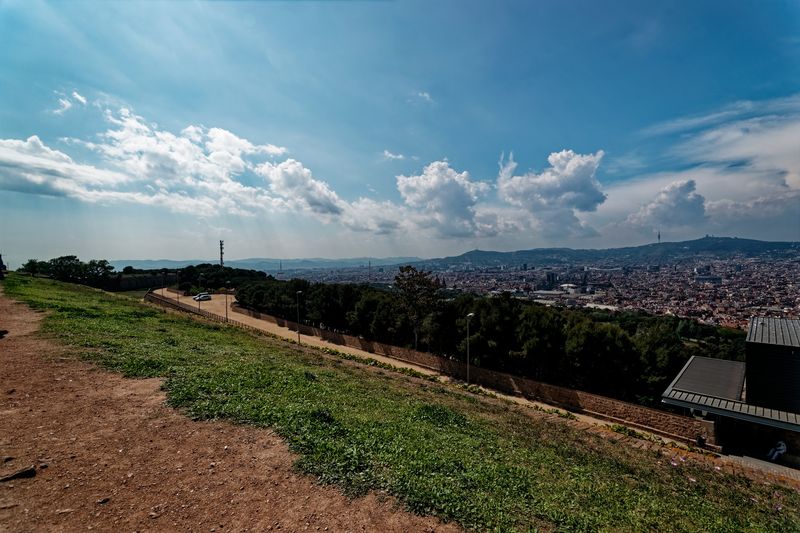
The green hill over the port carries the old fortress, the Miró foundation, the 1929 exhibition palaces and the Magic Fountain, all linked by gardens and a cable car, with the city spread below.
Tip:Ride the funicular then the Telefèric to the castle for the view, and walk down through the gardens at dusk — the descent past the Fundació Miró is the loveliest way off the hill.
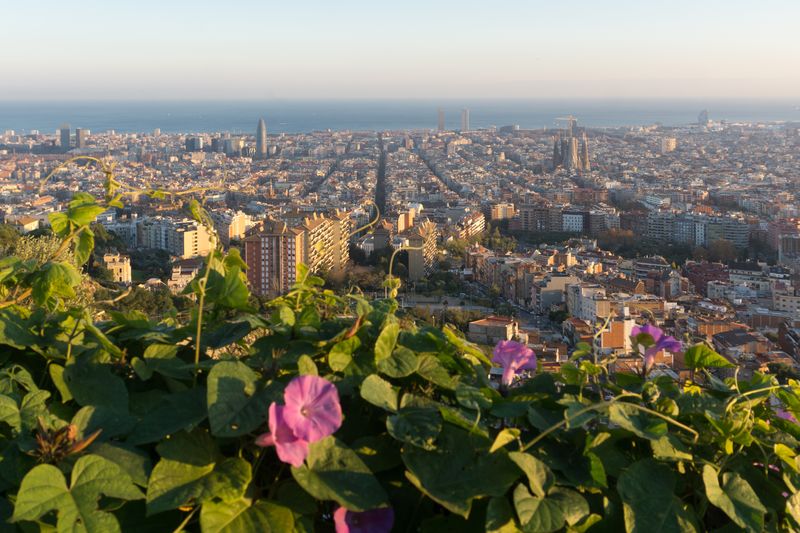
A ruined Civil War anti-aircraft battery on a bald hilltop in the east, and the finest 360-degree view in Barcelona — the whole grid, the Sagrada Família, the sea, the mountains, all at once.
Tip:It is a proper climb or a bus ride up, so go for sunset with a bottle and something to eat; half the young city does exactly the same, so it is a scene as much as a viewpoint.
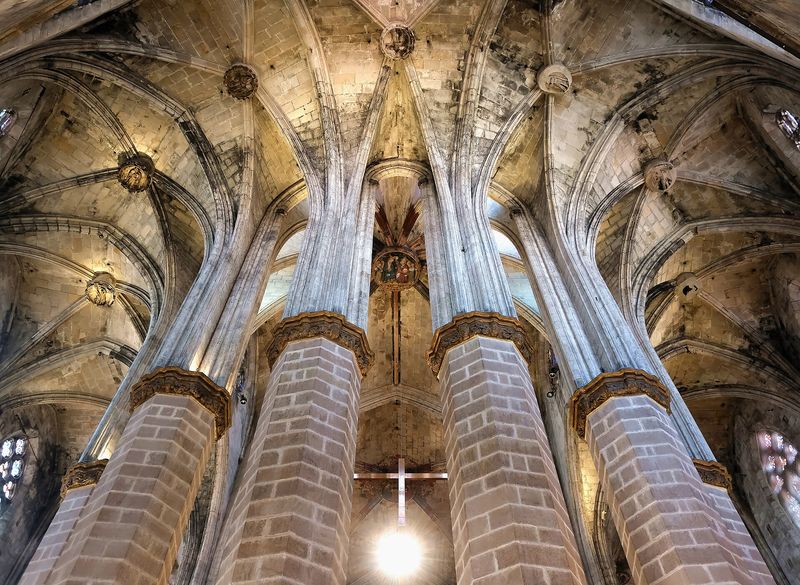
The people's cathedral of El Born, a pure and soaring Catalan Gothic hall built in the fourteenth century by the port workers themselves, with a wide luminous interior and almost no clutter.
Tip:Go for the guided rooftop-and-towers tour if it is running, or simply sit inside at midday when the sun comes through the great rose window; it is free to enter outside tour hours.
The grand nineteenth-century grid where the Modernista mansions live — wide chamfered avenues, the best shopping on Passeig de Gràcia, calm leafy blocks, and everything a flat walk or short metro from the old city. The safe, central, comfortable choice.
Hotel Praktik Rambla
Base yourself within a couple of blocks of the Gaudí houses and you can walk to the Sagrada Família and dive into Gràcia or the old town on foot.
Sleeping inside the medieval maze puts the whole atmospheric heart of Barcelona on your doorstep — Roman walls, hidden squares, the cathedral at dawn. Central and romantic, but the narrow lanes can be noisy at night and thick with day crowds.
Hotel El Call
Look for a place off the main tourist arteries near Plaça Sant Just so you get the medieval setting without the late-night stag-party soundtrack.
The Gothic Quarter's more grown-up neighbour across Via Laietana — stone palaces, the Picasso Museum, Santa Maria del Mar, and the densest run of good small restaurants and cocktail bars in the old city. Central, characterful, and walkable to the beach.
Chic & Basic Born Boutique Hotel
The lanes around Carrer de Montcada put you steps from El Born's best dinners and a ten-minute walk from Barceloneta sand.
The swallowed village up the hill — low-rise, bohemian, and built around little squares where people drink under the trees at night. Fewer sights on the doorstep and a longer walk in, but the most genuine, local neighbourhood feel in the city and better value for it.
Sonder La Casa del Sol
Stay near one of Gràcia's plaças and you live the way locals do — coffee in the morning, vermut before lunch, the square at night.
The old fishermen's triangle wedged against the water — tight blocks of narrow tall buildings, seafood restaurants, and the beach at the end of every street. Summery and fun, a little cut off from the sights, and best if the sea is why you came.
Hotel Arts Barcelona
Along the marina end you get modern rooms, sea views and morning swims, with the old city a flat walk or one metro stop away.
Affiliate notePostcardRoute is reader-supported. Some links to Booking.com (stays, flights, car hire, tickets and tours, airport transfers) are affiliate links, tracked through CJ Affiliate: if you book through them we may earn a small commission at no extra cost to you. We only recommend places we would send a friend.
Book the restEverything else for the trip
Stay sorted? These open Booking.com for the other legs of the journey.
Affiliate noteThese four links are affiliate links too: if you book through them we may earn a small commission at no extra cost to you.
Beyond the cityWorthwhile day trips
Montserrat
The serrated holy mountain an hour inland, with its Benedictine monastery, the Black Madonna, and hiking trails along the strange rounded peaks. Take the R5 train and the rack railway or cable car up, and go early to beat the coaches.
Sitges
A pretty whitewashed beach town forty minutes down the coast by cercanías train — golden sand, a hilltop church over the water, good seafood and a famously open, easygoing scene. The easiest sea-and-sun escape from the city.
Girona
Under forty minutes on the high-speed AVE, a jewel of a walled town with a colour-washed river frontage, one of the best-preserved Jewish quarters in Europe, and steps that Game of Thrones fans will recognise. An easy, rewarding day.
Penedès wine country
The cava heartland just southwest of the city, where the great sparkling-wine houses sit among the vines. A short train to Sant Sadurní d'Anoia puts you among cellars you can tour and taste your way through.
Four full days is the honest minimum to see the Gaudí headliners, wander the old city at a local pace, get a beach afternoon, and still have a meal or two you were not rushing through. Three works if you are disciplined and pre-book the big sights. A single weekend shows you the Sagrada Família and a sunburn, but not the city.
What is the best area to stay in Barcelona for first-timers?
The Eixample. It is central and flat, the Modernista architecture is on your doorstep, it is calmer and safer than the old-city lanes at night, and the metro puts everything within reach. If you want more medieval atmosphere and do not mind the bustle, El Born is the pick over the noisier, more touristy Gothic Quarter.
Is Barcelona safe, and how bad is the pickpocketing?
Barcelona is very safe for violent crime but it is Europe's pickpocketing capital, and the thieves are skilled professionals who target the Rambla, the metro, the beach and busy sights. You are not in danger, but your phone and wallet are. Keep them out of back pockets, wear your bag across your front on the metro, and never leave belongings on the sand. Treat it as a nuisance to manage, not a reason to stay away.
Do people speak English in Barcelona, and should I learn Catalan or Spanish?
You will get by fine in English at hotels, restaurants and sights. Catalan is the local mother tongue and it matters to people, so a bon dia or gràcies lands warmly, but everyone also speaks Spanish and nobody expects a visitor to be fluent in either. A few words in Catalan simply signal that you know you are in Catalonia rather than generic Spain, and that goes a long way.
What is the best time of year to visit Barcelona?
Late spring (May to June) and early autumn (September to October) are the sweet spots: warm but not brutal, the sea swimmable, and the worst crowds gone. Avoid August, which is hot, humid and packed with tour groups and pickpockets. Winter is mild, cheap and queue-free at the big sights, with the sea for looking at rather than swimming.
Should I book the Sagrada Família and Park Güell in advance?
Yes, without exception in high season. Both use timed entry with daily caps, and same-day tickets routinely sell out, leaving people staring through the fence. Book the Sagrada Família online several days ahead and choose a slot for the coloured window light, and reserve the monumental zone of Park Güell too; its free wooded upper park needs no ticket if you only want the view.
We'd like to use a Meta (Facebook) pixel to see which guides are worth writing more of. It only loads if you say yes — decline and nothing from Facebook ever runs. Details on the Privacy page.